
Can a Tooth Infection Go Away Without a Root Canal?
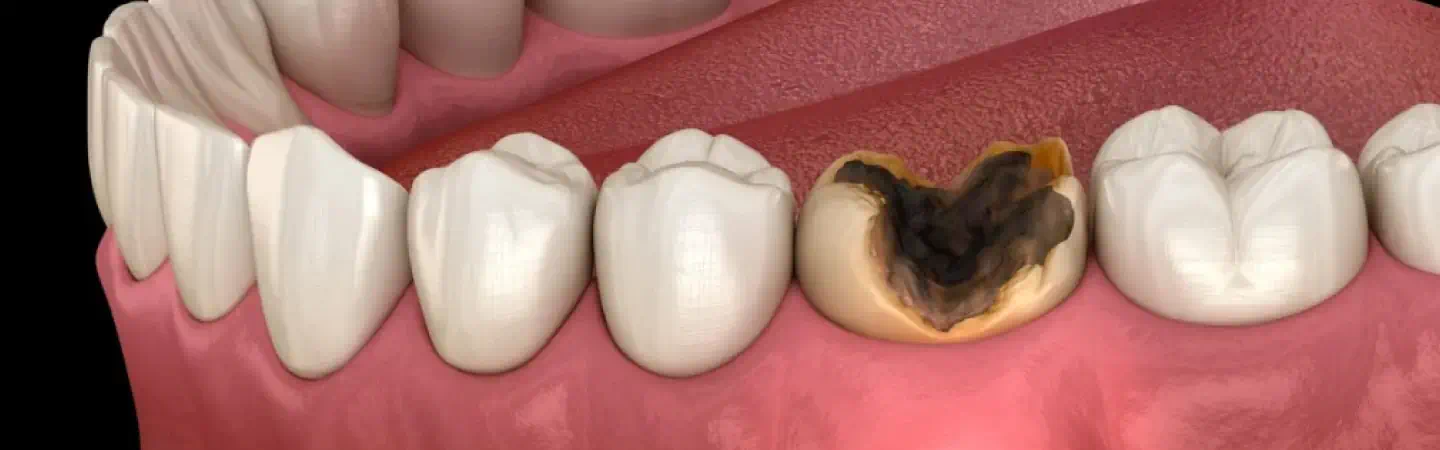
A tooth infection can be painful, worrying, and difficult to ignore. If you've developed severe toothache or swelling, you may wonder whether the infection will heal on its own or whether a root canal is really necessary. Many patients also ask whether antibiotics can cure a tooth infection and avoid dental treatment altogether.
The short answer is that once the pulp inside a tooth becomes infected, it usually does not heal by itself. While antibiotics may help manage the spread of infection in certain situations, they do not remove the source of the problem inside the tooth. Understanding how tooth infections develop can help you seek the right treatment before complications arise.
At Dr Prashanth Kanakamedala's dental practice, we assess each case individually and recommend the most appropriate dental care to preserve your oral health whenever possible.
What Is a Tooth Infection?
A tooth infection occurs when bacteria enter the innermost part of the tooth, known as the dental pulp. The pulp contains nerves, blood vessels, and connective tissue. Once bacteria reach this area, the pulp becomes inflamed and may eventually die, allowing the infection to spread beyond the tooth root.
Common causes of tooth infections include:
- Deep tooth decay
- Untreated cavities
- Cracked or fractured teeth
- Leaking fillings or crowns
- Dental trauma
- Advanced gum disease in some cases
Without treatment, the infection may spread into the surrounding bone and soft tissues.
Can a Tooth Infection Go Away Without a Root Canal?
In most cases, a tooth infection without root canal treatment will not resolve on its own. Once the pulp has become infected, the body's immune system cannot eliminate bacteria trapped inside the tooth because there is little or no blood supply remaining.
Although the pain may sometimes decrease, this does not mean the infection has disappeared. In fact, the nerve inside the tooth may have died, leaving the infection to continue spreading silently beneath the surface. If you are noticing persistent discomfort, booking an early dental assessment in Singapore can prevent further structural damage.
Delaying treatment may increase the risk of:
- Persistent infection
- Dental abscess formation
- Swelling of the face or gums
- Bone loss around the tooth
- Tooth loss
- Infection spreading to nearby tissues
Seeking a professional clinical assessment for tooth pain provides the best opportunity to save the natural tooth.
Can Antibiotics Cure a Tooth Infection?
One of the most common questions patients ask is "Can antibiotics cure a tooth infection?" The answer is not usually.
Antibiotics may be prescribed if:
- The infection has spread beyond the tooth
- There is facial swelling
- The infection is affecting nearby tissues
- The patient's immune system requires additional support
However, antibiotics cannot reach bacteria trapped inside the dead pulp tissue in sufficient amounts to eliminate the infection completely. Once the course of antibiotics is finished, the bacteria inside the tooth often remain unless the source of infection is treated by an experienced dentist in Singapore.
Can Antibiotics Replace a Root Canal?
Another frequent question is "Can antibiotics replace a root canal?"
No. Antibiotics are not a substitute for therapy when the pulp is infected. A root canal treatment in Singapore works by:
- Removing the infected pulp
- Cleaning and disinfecting the root canals
- Sealing the tooth to prevent reinfection
- Preserving the natural tooth whenever possible
Without removing the infected tissue, the problem is likely to return even if symptoms temporarily improve.
Do All Tooth Infections Need a Root Canal?
Not necessarily. Whether a root canal is required depends on the extent of the infection. Your dentist will examine the tooth using a clinical assessment and dental X-rays to determine the most appropriate treatment.
Possible treatment options include:
Root Canal Treatment
If the infection is confined to the pulp and the tooth can be restored, undergoing a professional root canal procedure in Singapore is often recommended to preserve the natural tooth structure.
Tooth Extraction
If the tooth is severely damaged, fractured beyond repair, or cannot be restored safely, extraction may be the more appropriate option.
Dental Filling
If decay has not yet reached the pulp, removing the decay and placing a filling may prevent the need for root canal treatment altogether.
The earlier the problem is diagnosed, the greater the chance of avoiding more extensive treatment and protecting your overall oral health and wellness.
Signs You May Need Root Canal Treatment
You should arrange a dental examination if you experience:
- Persistent toothache
- Pain when biting or chewing
- Sensitivity to hot or cold that lingers
- Swollen or tender gums
- A pimple-like swelling on the gum
- Tooth discolouration
- Swelling of the face or jaw
Some infected teeth cause very few symptoms, which is why scheduling routine dental check-ups in Singapore remains important.
What Happens During Root Canal Treatment?
Modern endodontic treatment is designed to remove infection while preserving the natural tooth whenever possible. Treatment generally involves:
- Examining the tooth and taking dental X-rays
- Administering local anaesthetic to keep the area comfortable
- Removing infected pulp tissue
- Cleaning and disinfecting the root canals
- Filling and sealing the canals
- Restoring the tooth, often with a dental crown if additional protection is needed
Most patients can return to their normal routine shortly after treatment.
Can You Prevent Tooth Infections?
Although not every infection can be prevented, good oral hygiene significantly reduces the risk. Helpful preventive measures include:
- Brushing twice daily with fluoride toothpaste
- Cleaning between your teeth every day
- Attending regular dental examinations
- Treating cavities early
- Repairing cracked or damaged teeth promptly
- Wearing a mouthguard during contact sports where appropriate
Regular dental visits allow problems to be identified before they develop into infections requiring more extensive treatment.
Don't Ignore the Signs of a Tooth Infection
While it may be tempting to hope the pain disappears, an infected tooth without root canal treatment is unlikely to heal on its own if the pulp has already become infected. Antibiotics may help manage certain infections temporarily, but they do not remove the source of infection inside the tooth. Prompt assessment allows your dentist to determine the most appropriate tooth infection treatment in Singapore while preserving your oral health whenever possible.
If you are experiencing tooth pain, swelling, or signs of infection, Dr Prashanth Kanakamedala provides comprehensive assessments and specialised root canal care in Singapore. Following a thorough examination, you will receive personalised advice on the most suitable treatment to relieve discomfort, manage infection, and protect your long-term oral health.
Frequently Asked Questions
Q: Can a tooth infection heal naturally without treatment?
A: No. Once the pulp inside the tooth becomes infected, it generally cannot heal on its own. Although pain may lessen if the nerve dies, the infection often remains and may continue to spread. A dental examination is needed to determine the appropriate treatment.
Q: How do dentists know if I need a root canal?
A: Your dentist will assess your symptoms, examine the affected tooth, and usually take dental X-rays. If the pulp has become infected but the tooth can still be restored, root canal treatment may be recommended to preserve the natural tooth.
Q: Is root canal treatment painful?
A: Root canal treatment is carried out under local anaesthetic, so the procedure itself is generally comfortable. Some mild tenderness afterwards is normal, but this usually settles within a few days and can often be managed with appropriate aftercare.


Conveniently Situated at
501 Orchard Rd, #05-01 Nuffield Dental Jewel, Wheelock Place, Singapore 238880

Clinic Hours
Mon & Wed–Fri: 9 AM–7 PM
Tue & Sat: 9 AM–5 PM
Sun: Closed





© 2026 Dr. Prashanth Kanakamedala | All rights reserved | Privacy Policy | Digital Marketing by Remedo
