
Dental Crown in Orchard Road, Singapore
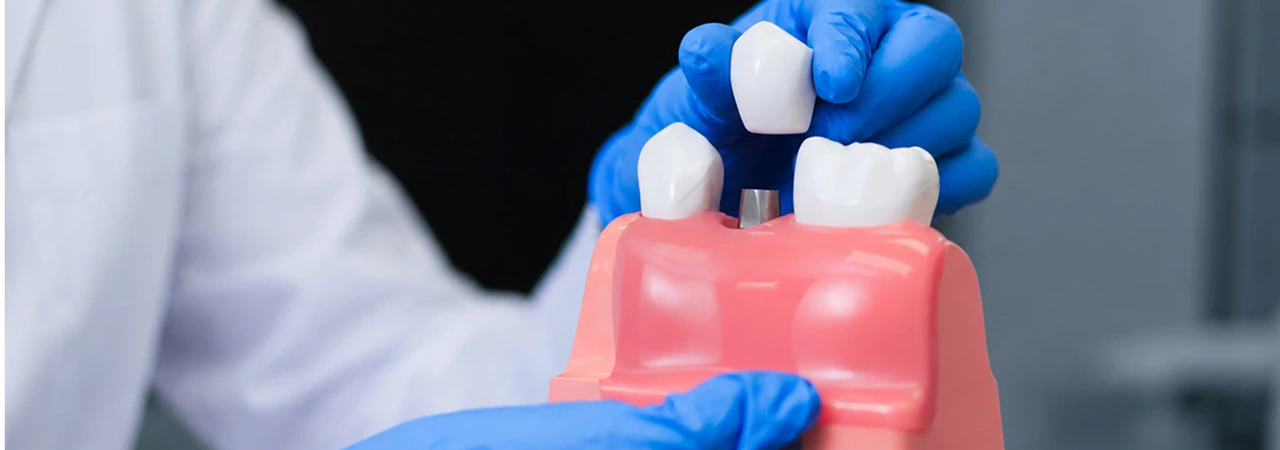
A damaged, weakened, or heavily restored tooth may require additional protection to help restore its function and appearance. Dental crowns are custom-made restorations designed to cover the visible portion of a tooth, helping to strengthen and support the remaining tooth structure where clinically appropriate.
At Dr. Prashanth Kanakamedala's clinic in Orchard Road, Singapore, treatment recommendations are based on a comprehensive dental assessment, clinical findings, and each patient's individual needs. Dental crown treatment is planned carefully to achieve both functional and aesthetic outcomes while preserving natural tooth structure whenever possible.
Understanding Dental Crowns
A dental crown is a tooth-shaped restoration that fits securely over a prepared tooth. It is designed to restore the shape, size, strength, and appearance of a tooth that has been affected by damage, decay, structural wear, or previous intensive dental treatment.
Crowns can be fabricated from several different materials, including porcelain, ceramic, metal alloys, or combinations of these materials. The most suitable option depends entirely on the location of the tooth, functional biting requirements, and your aesthetic considerations.
When Might A Dental Crown Be Recommended?
A dental crown may be considered in various clinical situations, including:
After Root Canal Treatment
Teeth that have undergone root canal treatment lose their vital blood supply, making them inherently more brittle over time. A crown provides crucial reinforcement to prevent the remaining tooth structure from fracturing under regular biting forces.
Large Fillings
When a tooth has an extensive existing filling and very limited remaining natural enamel or dentine, it loses structural integrity. A crown wraps around the tooth to keep it intact.
Fractured or Cracked Teeth
Crowns act like a protective cap, helping to bind and restore teeth affected by certain types of structural cracks or fractures before the damage reaches the root.
Severely Worn Teeth
Excessive tooth wear from chronic grinding (bruxism) or acid erosion can severely flatten teeth, affecting both your bite alignment and facial aesthetics.
Cosmetic Improvements
Crowns can completely transform the appearance of teeth that exhibit severe, permanent discolouration, shape irregularities, or prominent structural concerns.
Dental Implant Restorations
As the final step in a tooth replacement journey, a custom crown is securely attached to a dental implant to replicate a natural single tooth.
Signs That A Tooth May Need Assessment
You should consider scheduling a dental examination if you experience any of the following symptoms:
- A visibly cracked, chipped, or broken tooth
- A tooth with a large, failing filling that keeps breaking around the edges
- Significant, rapid tooth wear or flattening
- Persistent sensitivity to hot, cold, or sweet stimuli
- Difficulty or discomfort when chewing food comfortably
- Cosmetic concerns regarding the shape or colour of a tooth
- A tooth that has previously undergone root canal treatment but was never capped
A consultation allows your dentist to thoroughly evaluate the tooth and determine whether a dental crown or a more conservative treatment option is appropriate.
Types Of Dental Crowns Available
The choice of crown material depends heavily on the tooth's position in the mouth and individual clinical circumstances.
Porcelain Crowns
Porcelain crowns are highly favoured for front teeth due to their translucency and ability to mimic the natural shade variations of surrounding teeth.
Ceramic Crowns
All-ceramic restorations (such as high-strength zirconia) provide excellent aesthetic benefits alongside structural integrity, making them highly suitable for both visible areas of the smile and load-bearing premolars.
Porcelain-Fused-to-Metal (PFM) Crowns
These crowns feature a metal interior shell for maximum strength, covered by an outer layer of porcelain for a natural look. They are incredibly durable but may show a dark metallic line near the gumline over time.
Metal Crowns
Crafted from gold or base metal alloys, these crowns require minimal tooth reduction and are strong against heavy biting forces. Because of their metallic colour, they are generally reserved for hidden back molars.
What Happens During Dental Crown Treatment?
The exact treatment sequence varies depending on the baseline condition of the tooth and the specific type of restoration selected.
- Examination and Treatment Planning: Your dentist will visually assess the tooth, review diagnostic digital X-rays to check the health of the roots, and discuss the best material options for your lifestyle.
- Tooth Preparation: Under local anaesthetic, the tooth is carefully reshaped and reduced around the sides and top. This creates the exact amount of space required for the new crown to sit flush with your bite.
- Impressions or Digital Scans: Detailed physical impressions or precise 3D digital intraoral scans are captured. These structural records are sent directly to a dental laboratory where your bespoke crown is custom-fabricated.
- Temporary Crown: While your permanent laboratory crown is being meticulously manufactured, a temporary crown is fitted over the prepared tooth to protect it and maintain your bite spacing.
- Crown Placement: At your subsequent appointment, the temporary crown is removed. The final custom crown is tried in, meticulously checked for fit, margins, and bite harmony, and then permanently bonded to your prepared tooth.
Porcelain Crowns In Orchard Road, Singapore
Porcelain and ceramic crowns are commonly chosen for their aesthetic qualities, particularly in the visible areas of the mouth. These restorations are designed to seamlessly replicate the light-reflecting properties of natural teeth while fully restoring your ability to chew confidently.
The final selection of your crown material depends on complex factors such as the tooth's position, individual bite forces, current oral health status, and your overall treatment goals.
Caring For Your Dental Crown
With an excellent oral hygiene routine, modern dental crowns can protect your teeth for many years. To preserve your restoration, you are generally advised to:
- Brush your teeth thoroughly twice a day using a fluoridated toothpaste
- Floss daily, making sure to clean gently right up to the gumline where the crown meets the natural tooth
- Attend routine dental examinations and professional cleans every six months
- Avoid destructive habits that can chip porcelain, such as crunching ice, biting pens, or using your teeth as tools
- Wear a protective nightguard if you have a known history of nocturnal tooth grinding
- Follow all specific post-treatment aftercare advice provided by your clinical team
Frequently Asked Questions
Q: How long do dental crowns last?
A: On average, dental crowns can last anywhere from 5 to 15 years or longer. Their exact lifespan depends heavily on your standard of oral hygiene, underlying bite forces, the material selected, and personal lifestyle factors.
Q: Will my dental crown look natural?
A: Yes. Modern all-ceramic and porcelain crowns are precisely colour-matched to your surrounding teeth, ensuring they blend in seamlessly with the rest of your smile.
Q: Is a crown always strictly required after root canal treatment? A: While back teeth (molars and premolars) almost always require a crown to withstand heavy chewing pressures after a root canal, front teeth with minimal structural damage can sometimes be restored with a conservative filling instead.
Q: Can a damaged or worn crown be replaced?
A: Yes, absolutely. If an older crown chips, develops decay underneath its margins, or becomes structurally compromised, your dentist can safely remove it, clean the underlying tooth, and fabricate a brand-new replacement.
Q: Does receiving a dental crown require multiple visits?
A: Typically, yes. Conventional crown fabrication requires two appointments spaced roughly one to two weeks apart to allow the dental laboratory sufficient time to craft the restoration.
Crown Dentist In Orchard Road, Singapore
If you have a damaged, weakened, significantly worn, or heavily restored tooth that requires lasting protection, a professional consultation can help determine whether a custom dental crown is the right solution for you.
Dr. Prashanth Kanakamedala provides dedicated dental crown treatments and comprehensive restorative dental care in Orchard Road, Singapore. All clinical treatment recommendations are firmly based on an individual assessment, detailed examination, and structural diagnostic findings.


Conveniently Situated at
501 Orchard Rd, #05-01 Nuffield Dental Jewel, Wheelock Place, Singapore 238880

Dr Prashanth's Timings
Mon & Wed–Fri: 9 AM–7 PM
Tue & Sat: 9 AM–5 PM
Sun: Closed





© 2026 Dr. Prashanth Kanakamedala | All rights reserved | Privacy Policy | Digital Marketing by Remedo
