
Dental Bonding vs Porcelain Veneers

Bonding is usually the better choice for small, localised changes and keeps more of your natural tooth. Porcelain veneers suit broader changes to the shape or colour of several visible teeth, but they involve more preparation and cost more. Which one fits you depends on your teeth, your goals and how much change you want.
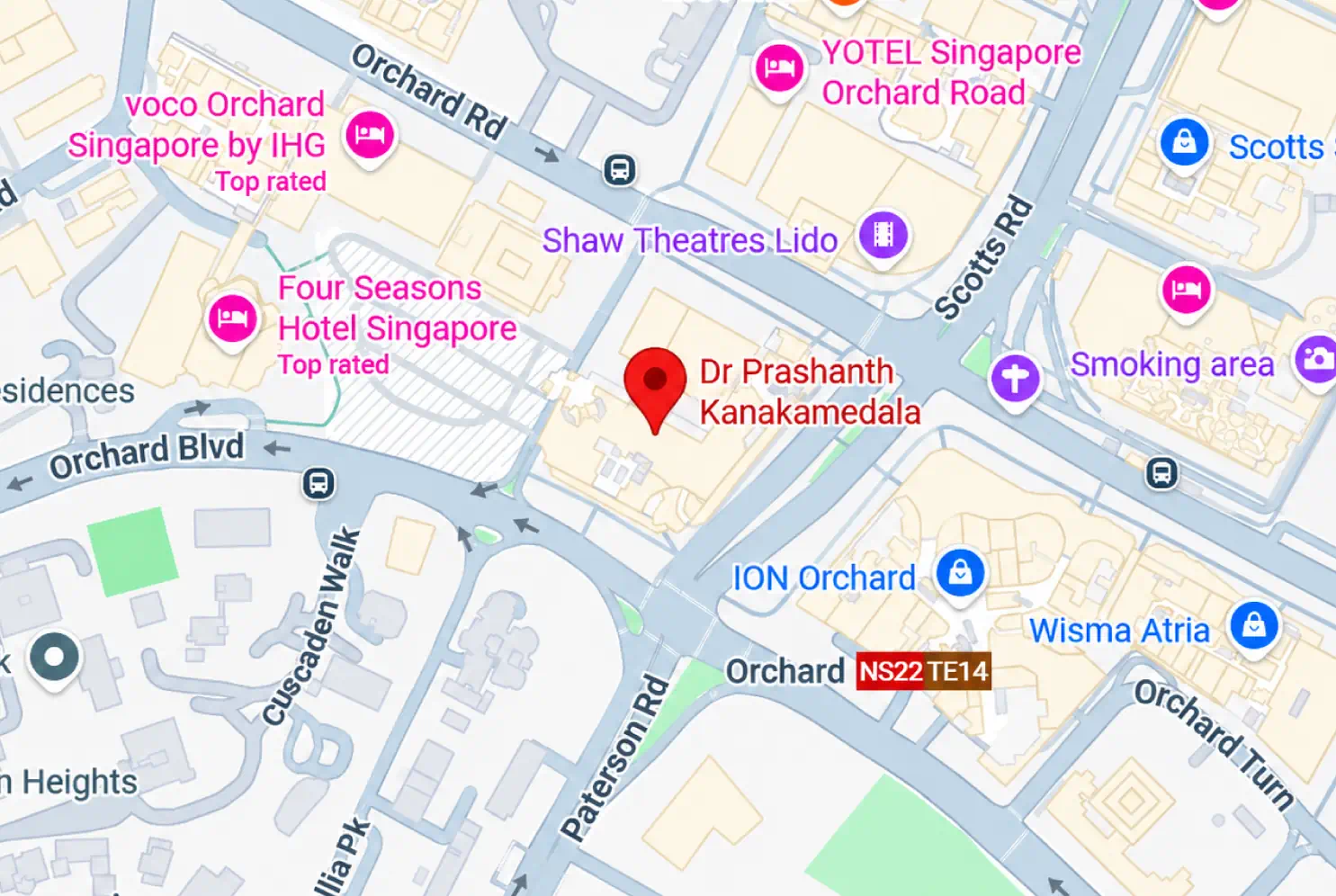
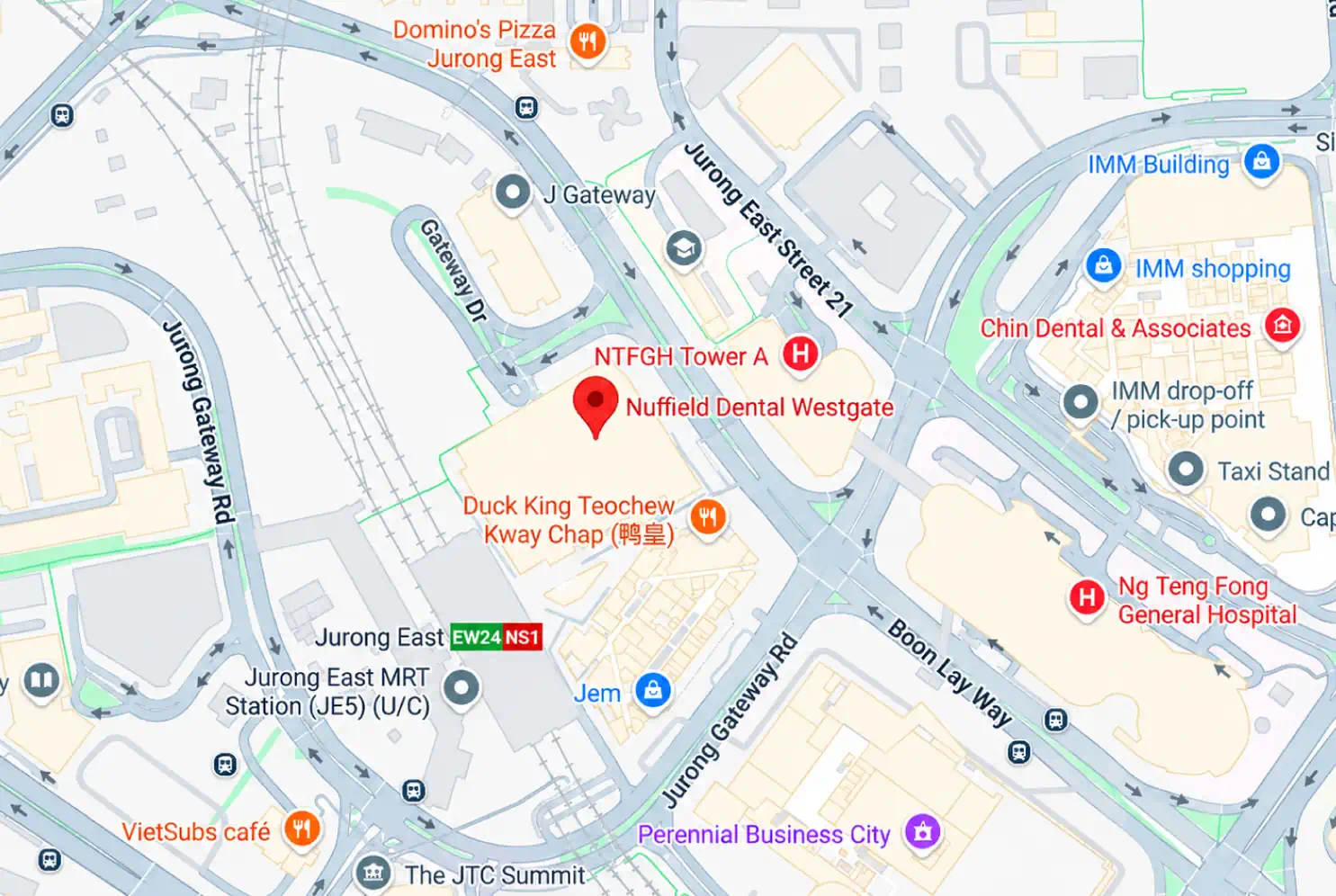
Here is how I explain the difference to patients at my Orchard Road and Westgate clinics.
What Is Dental Bonding?
Dental bonding uses tooth coloured composite resin to change the look of a tooth. I apply the material directly to the tooth, shape it, harden it with a curing light and polish it so it blends with the teeth around it.
Bonding may suit:
- Small chips or worn edges
- Minor gaps between teeth
- Slight irregularities in tooth shape
- Small areas of discolouration
It often needs little or no removal of natural tooth, and it is usually completed in the chair without laboratory work. It is less suited to large areas of damage, a heavy bite or widespread discolouration.
What Are Porcelain Veneers?
A porcelain veneer is a thin, custom made shell that covers the front surface of a tooth. According to the American Dental Association, porcelain veneers are strong, long lasting and natural looking, and they tend to be the more expensive option.
Veneers are made in a laboratory from impressions or digital scans, then bonded to the prepared tooth. They can address:
- Discolouration that does not respond well to whitening
- Uneven tooth shapes or sizes
- Small gaps
- Worn or chipped front teeth
Some enamel usually has to be removed to make room for the veneer. The ADA notes that veneer treatment is not reversible, which is why careful planning matters.
How Do Bonding and Veneers Differ?
- Material: bonding uses composite resin, veneers use dental porcelain.
- Visits: bonding is usually done in one visit, while veneers need planning, preparation and laboratory fabrication.
- Tooth preparation: bonding often needs very little, veneers commonly involve some enamel removal.
- Staining: porcelain resists surface staining better. Composite can stain or wear over time.
- Repairs: a chipped bonded tooth can often be repaired or repolished in the chair. A damaged veneer may need to be replaced.
- Best for: bonding suits small corrections, veneers suit coordinated changes across several teeth.
Neither is better for everyone. The right option depends on what you want to change and what your teeth can support.
Which Lasts Longer?
Longevity depends on the material, the technique, your oral hygiene, your bite and habits such as grinding. Porcelain generally resists staining better, but it can still chip, crack or come loose. Composite can stay in good shape for years, though it may stain, wear or chip.
Both need care. Biting hard objects, chewing ice or opening packaging with your teeth raises the risk of damage. If you grind your teeth, I may suggest a custom night guard to protect the work. Neither option should be seen as permanent, and regular dental checkups let me spot small problems early.
Which Looks More Natural?
Both can look natural when done well. With bonding, I choose a composite shade and shape it to match the tooth, then polish it. Veneers are made to reflect light in a way that resembles natural enamel, and their colour and shape are planned in advance.
The result depends on more than the material. Shade selection, preparation, technique and the condition of the neighbouring teeth all matter. If you are considering a smile makeover, tell me whether you want a subtle improvement or a noticeable change. A good plan respects your facial features and natural tooth proportions instead of making every tooth identical.
Does Bonding or a Veneer Cost More?
Bonding is generally less expensive per tooth than porcelain veneers, since it needs fewer visits and no laboratory work. The final cost depends on how many teeth are treated, the extent of the change, the materials used and whether any other treatment is needed first.
It also helps to think about the long term. Bonding may need polishing or repair, and veneers may eventually need replacing. I will give you a clear plan and estimate after examining you, and you can see our fees page for general guidance.
Does Bonding Need Tooth Shaving?
Often very little or none. In suitable cases the resin is applied to the existing tooth after the surface has been prepared, with minor adjustment for shape and fit. Veneers usually need some preparation, and the amount varies. Enamel removal is generally irreversible, so if preserving natural tooth is your priority, tell me at the start and we can look at the most conservative option.
Can They Close Gaps?
Both can close small gaps. Bonding adds resin to the sides of selected teeth, and veneers can change the width and shape of teeth. Adding material can make teeth look wider, so I check proportions before recommending anything.
If gaps come from misalignment or a bite problem, orthodontics may be the better route. My guide to Invisalign vs braces for adults in Singapore explains those options.
Can They Cover Stained Teeth?
It depends on the type of stain. Bonding can cover localised stains, though widespread discolouration is harder to match. Veneers suit stains that resist whitening, because the porcelain can be planned to mask underlying colour.
Before choosing either, I find the cause of the staining. Professional cleaning or whitening may be enough, and my posts on removing yellow stains from teeth and whitening trays from the dentist cover what works. Whitening does not change the colour of bonding or veneers already in place, so if you plan to whiten, do it before the restorations are made.
Who Suits Bonding, and Who Suits Veneers?
Bonding suits people who want small corrections while keeping as much natural tooth as possible. Good candidates usually have healthy gums, no active decay and realistic expectations.
Veneers suit people who want more comprehensive changes to the front teeth. The ADA advises that any decay or gum disease must be treated first, because veneers over unhealthy teeth can make existing problems worse. Significant enamel loss or heavy grinding may need other treatment first.
If you only have a small chip, my guide to repairing a chipped or cracked tooth is a better starting point, and you can also explore our wider cosmetic dentistry options.
Caring for Bonding and Veneers
Brush twice a day with fluoride toothpaste, clean between your teeth daily, avoid biting hard objects and attend regular checkups. Composite and porcelain cannot decay, but the natural tooth around them can. Contact me if a restoration chips, feels loose or becomes uncomfortable.
Questions to Ask at Your Consultation
- Can a conservative treatment address my concern?
- How much natural tooth would need to be removed?
- What result can I realistically expect?
- How will the restoration need to be maintained?
- What are the likely costs and alternatives?
- Could whitening or orthodontics help instead?
Frequently Asked Questions
Q. Is bonding better than veneers?
Not always. Bonding suits small corrections with minimal preparation, while veneers suit broader changes to the shape or colour of visible teeth.
Q. How long does bonding last compared with veneers?
Both can last several years, but it varies. Bonding may need polishing or repair because it can stain or wear. Porcelain resists staining better but can still chip or come loose.
Q. Is bonding reversible?
It is generally more conservative than veneers and can often be removed with little change to the tooth, especially when little or no enamel was removed. Veneers are not reversible.
Q. Do porcelain veneers damage natural teeth?
They usually need some enamel removal, which is permanent. That is why planning is important, and why I explain the alternatives first.
Q. Can I whiten my teeth after bonding or veneers?
Whitening lightens natural teeth but does not change existing bonding or veneers, so plan the order of treatment with your dentist.
Q. Which is more affordable in Singapore?
Bonding is generally less expensive per tooth. The final cost depends on the number of teeth, the complexity and any other treatment needed.
Book a Consultation
If you are weighing bonding against veneers, I would be glad to examine your teeth and talk through the options. You can book an appointment at my Orchard Road clinic (Nuffield Dental Jewel, Landmark Orchard) or my Westgate clinic.


Landmark Orchard
501 Orchard Rd, #05-01 Nuffield Dental Jewel, Landmark Orchard, Singapore 238880
Available on Mondays, Tuesdays, Thursdays and Saturdays.
Westgate
3 Gateway Dr #04-32 Nuffield Dental Westgate, Westgate, Singapore, 608532
Available on Wednesdays and Fridays.





© 2026 Dr Prashanth Kanakamedala | All rights reserved | Privacy Policy | Digital Marketing by Remedo
