
How Often Should You Go to the Dentist?
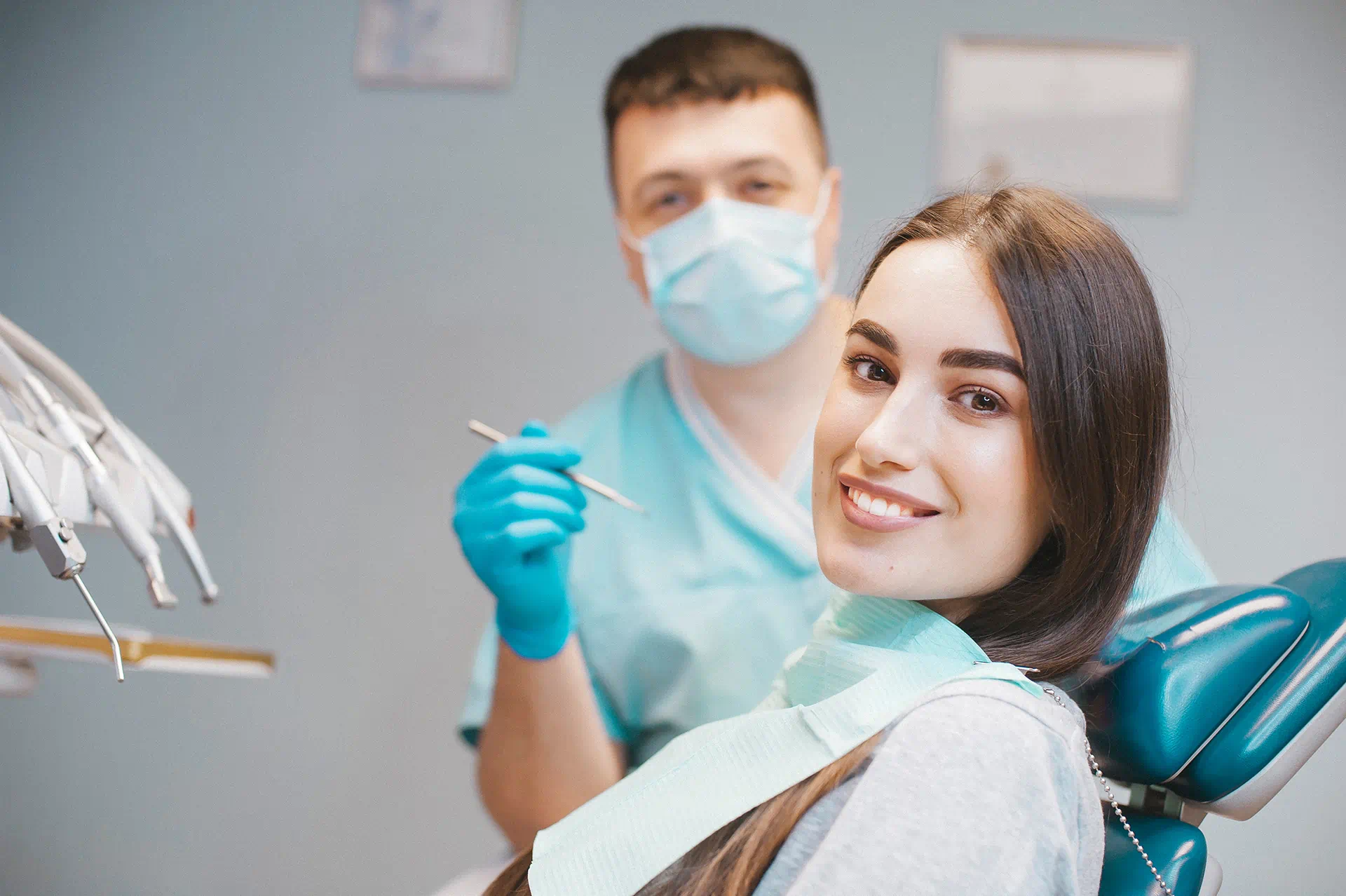
Have you ever wondered how often should you go to the dentist?
Most of you have heard the golden rule – “every 6 months”.
But is that true for everyone?
The answer is a little more personal than you might think.
Whether you’re a parent trying to keep your child’s smile healthy, a young professional balancing a busy schedule, or an expat adjusting to healthcare in Singapore, understanding the right dental checkup frequency can save you from painful (and costly) surprises later on.
In this guide, I will break down what the experts recommend, what actually happens during a routine visit, and how to decide the best schedule for you and your family.
By the end, you’ll feel sure about keeping your smile healthy. You might even laugh a bit along the way.
Quick Takeaways (Your Teeth Will Thank You Later)
- Early spotting saves hassle: Regular check-ups help catch small issues before they turn into big problems.
- Your schedule, your rules: How often to visit the dentist depends on your age, habits, and dental history.
- Comfort matters: A dentist who explains things and listens makes dental visits less scary.
- Prevention is far better than Panic: Treat each visit like a mini insurance policy for your smile. You will face less pain, save on costs, and boost your confidence.
The State of Oral Health in Singapore: A Post-Pandemic Reality Check
Dental check-ups have taken a back seat for many Singaporeans.
GSK and IPSOS research shows that oral health habits have dropped since the pandemic:
- Only 19% of Singaporeans are visiting a dentist for check-ups post-pandemic.
- 36% of Singaporeans have reduced the frequency of dental visits post-pandemic.
- 80% of Singaporeans have developed some form of gum disease post-pandemic.
People love coffee, tea, and snacks.
That’s why sensitive teeth, staining, and plaque have become common issues nowadays.
Bottom line?
Regular visits to the dentist are important — they keep your smile bright and help you avoid bigger problems later on. Skipping regular visits can transform small annoyances into painful, costly issues.
Why Regular Dental Visits Matter
Think of your mouth as the control centre for your overall health.
A healthy smile does more than look good. It aids digestion, boosts immunity, and enhances confidence. Regular dental visits are the best way to spot problems early, before they worsen.
Here’s what keeping up with check-ups can do for you:
- Catch problems early: Regular visits can spot cavities, gum inflammation, or plaque build-up before they lead to pain and high costs.
- Protect your overall health: Researchers link poor oral health to heart disease, diabetes, and other conditions. Keeping your teeth and gums healthy protects your whole body.
- Save time and money: A 30-minute check-up is easier than emergency visits, stressful procedures, and costly bills.
- Boost confidence: With regular check-ups you will walk into a room knowing your teeth look good, your breath is fresh, and no spinach has sneaked onto your smile.
Regular dental visits are not only for your teeth. They are great for your overall well-being, keeping you healthy, comfortable, and confident.
The General Rule – Every 6 Months?
You’ve likely heard it a hundred times: “See your dentist every six months.”
Sounds like a broken record, right?
But honestly, there’s a solid reason behind it. Regular dental visits are like a pit stop for your mouth. Like your car needs an oil change, your teeth need a tune-up too.
Here’s why that six-month rule isn’t an old saying:
- Plaque and tartar buildup – Even if you brush and floss well, some areas can still be tricky. Regular visits can help in cleaning those spots you cannot see.
- Early cavities – Small decay is easy to fix. Wait too long, and you might find yourself discussing crowns or root canals.
- Gum health monitoring – Gum disease often develops without noticeable symptoms. Biannual check-ups help your dentist spot problems early. This also keeps your gums pink and healthy.
Dr. P’s Words
“With my 27+ years of experience, I can tell you that prevention costs a lot less than repair. Think of it as a smart investment in your health and your sanity.”
Pro tip: Some people may need to visit more often. This depends on your dental history, habits, or medical conditions. Don’t worry, I’ll help you figure out what works best for you and your smile.
Factors That Influence How Often You Should Visit a Dentist
Now, here’s where things get personal.
The “every six months” rule is a baseline, but not everyone’s teeth play by the same rules. Your age, health, and daily habits can all shift how often you see a dentist.
Let’s break it down:
1. Age and Stage of Life:
Kids, teens, adults, seniors; each stage has its quirks.
- Kids get cavities quickly, especially when snacks vanish faster than cookies.
- Teens deal with braces, wisdom teeth, and, let’s be honest, questionable brushing.
- Adults juggle stress, coffee, and the occasional midnight-snacking habit.
- Seniors may need extra attention for gums, restorations, or dry mouth from medications.
The rule of thumb: different ages, different dental dramas, the same need for check-ups.
2. Existing Dental Conditions:
If you have had cavities, gum disease, or root canals in the past, you’re in the “frequent flyer” club.
- Gum disease can sneak back if you do not keep an eye on it.
- Past decay means your enamel needs more babysitting.
- Crowns, fillings, and implants also deserve regular check-ups.
Think of it like car maintenance: once you fix something, you definitely don’t want it to break again.
3.Lifestyle and Habits:
What you do daily shows up in your smile.
- Coffee and tea = stains.
- Sugary snacks = cavity fuel.
- Stress and grinding = cracked teeth (and headaches).
- Smoking = a fast-track ticket to gum problems.
These habits mean you will need more frequent visits to keep your smile in check.
4. Overall Health:
Your mouth connects to the rest of your body (shocking, I know).
- Diabetes, heart disease, and even pregnancy can increase oral health risks.
- Medications can cause dry mouth, which increases the chance of decay.
- A weakened immune system means bacteria get bolder.
If your body is already busy fighting other battles, your teeth deserve extra support.
Bottom line: There’s no one-size-fits-all schedule. I’ll check your age, history, and habits. Then, I’ll suggest what’s best for you. This could be every six months, every four, or sometimes even more often.
What Happens During a Routine Dental Check-up?
A lot of people imagine dental visits as scary drills and stern lectures.
Let me clarify: a check-up is usually quick and painless. If you’re with me, you might even hear a bad pun or two.
Here’s what actually happens, step by step:
- A friendly hello: I’ll ask about your health, habits, and how your teeth have been behaving lately.
- A close inspection: I use a mirror and light to check your teeth and gums. This helps to find early signs of cavities, gum disease, or other hidden problems.
- Digital X-rays (if needed): These help me see what’s happening under the surface. Don’t worry, it’s safe and quick
- Cleaning and polishing: I’ll remove plaque and tartar thoroughly. Then, I polish your teeth, making them feel smooth and fresh.
- Gum check: I measure the health of your gums to catch early signs of gum disease.
- Personalized advice: I’ll share tips on brushing, snack swaps, and coffee stains that suit your lifestyle.
- Your chance to ask anything: Nervous about flossing? Worried about a tooth? Now is the time to get answers to all your questions.
That’s it. No horror-movie drills, no hidden surprises, a thorough tune-up for your smile.
Prevention is always easier than treatment. Schedule your next dental check-up today to keep your smile healthy and confident!
Signs You Should See the Dentist ASAP
Sometimes, waiting six months isn’t the smartest move.
Think of these signs as your mouth waving a giant saying, “Help me, please!”
If you notice any of these, it’s time to book an appointment asap:
- Persistent Toothache: If your tooth keeps nagging you like a bad WhatsApp group, it will not go away on its own.
- Bleeding Gums: A little pink in the sink isn’t “normal”; it’s your gums crying for attention.
- Sensitivity to Hot or Cold: If ice cream feels like an electric shock instead of a treat, your teeth are telling you something.
- Bad Breath That Won’t Quit: Brushing, flossing, mints… and still dragon breath? Time for a checkup.
- Loose Teeth: Teeth are not supposed to “wiggle” after childhood. If they’re moving, call me ASAP.
- Mouth Sores That Don’t Heal: Most heal quickly, but if they remain longer than your in-laws do after dinner, get them checked.
- Visible Changes: Spots, swelling, or anything that looks “off”. Time to see a dentist.
Pro Tip: Your teeth don’t have a snooze button. If they’re shouting, don’t hit “remind me later.”
What Happens When You Skip Your Dental Visits?
Here’s the thing: skipping the dentist isn’t the end of the world… at first. But small issues love to level up when left alone. Think of it like leaving your laundry pile for an extra day; the next day, it transforms into a mountain.
Dental problems rarely get better on their own—they usually become more serious over time. Here's how common oral health issues can progress if they're left untreated:
- A little plaque (the sticky film that forms on your teeth) can harden into tartar, a stubborn deposit that cannot be removed with brushing alone.
- Mild gum irritation can develop into gingivitis, causing red, swollen gums that may bleed when you brush or floss.
- Minor tooth sensitivity can be an early sign of tooth decay and may eventually progress to cavities that require dental fillings.
- Untreated gum disease can worsen over time, leading to bone loss, loose teeth, and more complex, expensive dental treatments.
The earlier these problems are diagnosed and treated, the simpler, more comfortable, and more affordable your dental care is likely to be.
Dr. Prashanth’s Take: Skipping your dental check is like ignoring a small pothole. Today it’s a bump; tomorrow it’s a full-blown car repair bill.
What About Kids? Setting Up a Lifetime of Healthy Smiles
Parents often ask me, “When should I bring my child to the dentist?”
My answer: earlier than you think. The sooner we start, the sooner we can build healthy habits and avoid tears (yours and theirs).
For my youngest patients, the aim is clear: create a positive and gentle experience. This way, they’ll see the dentist as a friend, not a villain in a white coat.
Here’s what regular visits for kids can do:
- Keep an eye on how teeth and jaws are developing (so braces don’t come as a surprise).
- Catch little cavities before they turn into big ones.
- Apply preventive treatments like fluoride or sealants, aka “invisible shields” for teeth.
- Help kids feel comfortable in the chair so that visits become routine, not scary.
Dr. Prashanth’s Note to Parents: I treat patients of all ages, including kids. And no, I don’t hand out scary drills on day one. The idea is to set them up for a lifetime of healthy smiles and even a high five at the end of the visit.
If you want to learn how I make kids’ visits fun and easy, visit my Paediatric Dentistry page. (Spoiler: it includes patience, gentle care, and sometimes a sticker.)
Choosing a Dentist Who Fits Your Needs
Finding the right dentist is like choosing the perfect shoes. You want comfort, reliability, and the expectation of no blisters.
Here’s what makes the difference:
- Personalized care: No copy-paste treatment plans. Your smile is unique, and so is the way I look after it.
- Accessibility: A dentist you can actually reach (not one who disappears like your Wi-Fi mid-Zoom call).
- Gentle approach: My tools may be sharp, but my style isn’t. Comfort comes first.
With over 27 years of experience and 8,500 patients treated, I know prevention beats panic every time. My philosophy is clear: tackle small issues before they turn into big, costly problems.
Dr. Prashanth’s Promise: You’ll never be “another set of teeth” in my chair. You’re a person, and your trust matters more to me than your molars.
Your teeth called; they want a check-up. Don’t make them wait.
Book your next dental visit with me today, so I can keep your smile happy, healthy, and a bit mischievous! No pressure, no upselling… good advice (and a terrible dental pun or two).
Wondering How Often to See a Dentist? Dr. Prashanth Answers Your FAQs
1. How long is too long without seeing a dentist?
Going more than 12 months without seeing a dentist is too long. Skipping yearly visits allows plaque and tartar to build up, which increases the risk of gum disease, cavities, and tooth loss.
2. How often should children have a dental check-up?
Children should have a dental check-up every six months starting from their first tooth. Regular visits prevent cavities, support proper development, and help children feel comfortable at the dentist.
3. What are the signs of poor oral hygiene?
Signs of poor oral hygiene include bad breath, red or swollen gums, bleeding when brushing, sensitive teeth, visible plaque or tartar, and frequent cavities.
4. How often should I go for scaling and polishing?
You should go for scaling and polishing every 6–12 months. Patients with plaque buildup, tartar, or coffee stains may need more frequent visits. Regular cleaning prevents gum disease, maintains fresh breath, and keeps teeth looking brighter. Want to learn more about the process? Check out my Scaling and Polishing page for all the details.
5. What to do in between dental cleanings?
In between dental cleanings, brush twice daily, floss once a day, limit sugary snacks and acidic drinks, and rinse with water after coffee or tea. These habits protect enamel, prevent cavities, and keep gums healthy until your next dental visit.


Conveniently Situated at
501 Orchard Rd, #05-01 Nuffield Dental Jewel, Wheelock Place, Singapore 238880

Dr Prashanth's Timings
Mon & Wed–Fri: 9 AM–7 PM
Tue & Sat: 9 AM–5 PM
Sun: Closed





© 2026 Dr. Prashanth Kanakamedala | All rights reserved | Privacy Policy | Digital Marketing by Remedo
