
Invisalign vs Braces: Which Is Better for Working Professionals?
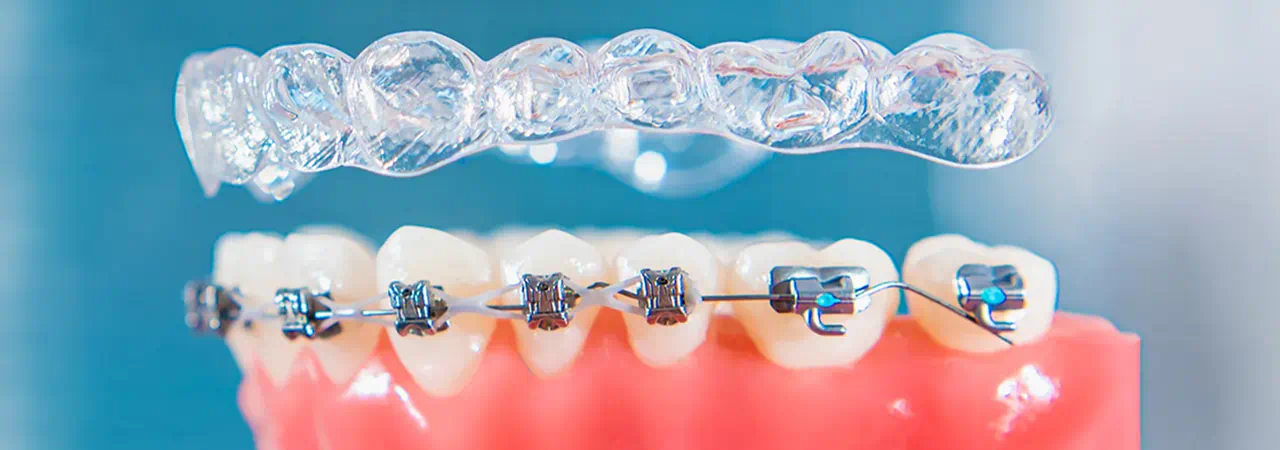
For many working professionals, orthodontic treatment is about more than simply straightening teeth. It also needs to fit around meetings, presentations, client appointments, business travel, and everyday commitments.
One of the questions dentists hear most often is whether Invisalign aligners or traditional braces are the better choice. The answer is not always clear-cut because everyone has different dental needs, work routines, and personal preferences.
If you are thinking about orthodontic treatment, it can be helpful to understand how Invisalign and braces differ before discussing your options with your dentist.
Why More Working Professionals Are Seeking Orthodontic Treatment
Orthodontic treatment is no longer something only teenagers consider. Many adults decide to address concerns such as crowded teeth, gaps between teeth, bite issues, or teeth that have gradually moved over the years.
For working adults, the decision often involves more than the clinical side of treatment. Common concerns include how treatment may look at work, how often appointments will be needed, and whether it will fit comfortably into a busy schedule.
Both Invisalign and braces are designed to straighten teeth, but they do so in different ways.
What Is Invisalign?
Invisalign is an orthodontic treatment that uses a series of clear, removable aligners to move teeth gradually into new positions.
Each aligner is custom-made and worn for a set period before moving on to the next aligner in the series. In most cases, aligners need to be worn for the majority of the day, removing them only for meals, drinks other than water, and oral hygiene.
Many professionals choose Invisalign because the aligners are less noticeable during conversations, meetings, and video calls.
Benefits of Invisalign for Professionals
A Less Noticeable Appearance
One of the main reasons adults ask about Invisalign is its appearance. The clear aligners sit closely over the teeth, making them less obvious than traditional braces.
For people who regularly meet clients, attend presentations, or work in public-facing roles, this may be something they wish to consider.
Removable for Eating and Cleaning
Unlike braces, Invisalign aligners can be removed before meals and when brushing and flossing.
This means patients can continue their usual oral hygiene routine without needing to clean around brackets and wires.
Fewer Food Restrictions
Patients wearing braces are often advised to avoid certain hard, sticky, or chewy foods that may damage the appliance.
As Invisalign aligners are removed before eating, there are generally fewer restrictions on food choices.
Comfort Considerations
Some patients find that smooth plastic aligners feel different from brackets and wires. Braces can occasionally rub against the inside of the cheeks or lips, particularly during the early stages of treatment.
Everyone's experience is different, so it is worth discussing any concerns with your dentist.
What Are Traditional Braces?
Traditional braces consist of brackets attached to the teeth and connected by wires. Together, these components apply gentle pressure to move teeth over time.
Braces have been used for many years and continue to be a suitable option for a variety of orthodontic concerns.
Benefits of Braces
Treatment Continues Around the Clock
Because braces are fixed to the teeth, they continue working throughout the day without needing to be removed or replaced by the patient.
This may suit people who feel they may struggle to remember wearing removable aligners consistently.
May Be Suitable for Certain Complex Cases
Depending on the type and extent of tooth movement required, braces may be recommended for some orthodontic conditions.
A proper assessment is needed before deciding which treatment option may be suitable.
No Need to Remember an Appliance
As braces remain attached throughout treatment, there is no risk of leaving aligners at home, misplacing them, or accidentally throwing them away.
Invisalign and Braces: Comparing the Two
Appearance at Work
For many professionals, appearance during treatment is an important consideration.
Because Invisalign aligners are clear, they are usually less noticeable than braces. This is one reason why some adults prefer them.
That said, many people wear braces while continuing with meetings, presentations, and daily work activities without major disruption.
Fitting Treatment Into Daily Life
One advantage of Invisalign is that the aligners can be removed when necessary.
However, this flexibility also means patients need to be committed to wearing them as instructed.
Braces require less day-to-day involvement because they remain fixed in place.
Oral Hygiene
Good oral hygiene remains important throughout orthodontic treatment.
With Invisalign, aligners can be removed for brushing and flossing.
With braces, cleaning around wires and brackets can take a little more time and care.
Meals and Social Occasions
Work lunches, client dinners, and social events are common for many professionals.
Invisalign aligners are removed before eating, while braces may require patients to be more mindful about certain foods that could damage the appliance.
Complexity of Treatment
The type of orthodontic problem being treated is often one of the biggest factors when choosing between Invisalign and braces.
Some cases can be managed effectively with aligners, while others may be better suited to fixed appliances.
This decision should always be based on a clinical examination and discussion with your dentist.
Things to Think About Before Choosing
Your Working Environment
Think about how often you meet clients, colleagues, patients, or members of the public.
If the appearance of orthodontic treatment is important to you, it may be worth discussing clear aligners during your consultation.
Your Lifestyle
People who travel regularly or have demanding schedules may appreciate the flexibility Invisalign offers.
However, aligners need to be worn consistently for treatment to proceed as intended.
Your Commitment to Wearing Aligners
Invisalign relies on patient cooperation. Wearing aligners for fewer hours than recommended may affect treatment progress.
If you feel this could be difficult, braces may be another option worth discussing.
Your Individual Dental Needs
Every patient is different. The most appropriate treatment depends on your dental condition, treatment goals, and clinical requirements.
Invisalign vs Braces: Which Option Is Right for You?
Rather than asking which treatment is better, it is often more useful to ask which treatment is more suitable for your particular situation.
For some professionals, Invisalign may fit well with their lifestyle and preferences. For others, braces may be the more practical option based on their orthodontic needs.
A thorough assessment allows your dentist to look at factors such as tooth alignment, bite relationships, oral health, and treatment goals before discussing available options.
Discuss Your Orthodontic Options with Dr. Prashanth Kanakamedala
If you are considering Invisalign, braces, or other orthodontic treatments, Dr. Prashanth Kanakamedala can discuss the options that may be relevant to your individual circumstances.
During your consultation, your dental condition, treatment objectives, and available treatment options can be reviewed to help you make an informed decision.
Frequently Asked Questions
Q: Is Invisalign suitable for adults with busy work schedules?
A: Many adults choose Invisalign because the aligners are removable and generally less noticeable. However, they need to be worn as instructed by your dentist for treatment to progress as planned.
Q: Do braces work faster than Invisalign?
A: Treatment times vary from person to person. Factors such as the complexity of the case and the type of tooth movement required can influence the overall treatment period. Your dentist can provide a personalised estimate after an assessment.
Q: Can I remove Invisalign aligners during meetings?
A: Yes, aligners can be removed for short periods when necessary. However, they should still be worn for the recommended number of hours each day.
Q: Which option is easier to look after?
A: Many patients find brushing and flossing easier with Invisalign because the aligners can be removed. Braces require additional care when cleaning around brackets and wires.
Q: How can I find out whether Invisalign or braces are suitable for me?
A: A dental examination is needed to determine which treatment options may be appropriate for your situation. Dr. Prashanth Kanakamedala can assess your dental condition and discuss the available options during a consultation.


Conveniently Situated at
501 Orchard Rd, #05-01 Nuffield Dental Jewel, Wheelock Place, Singapore 238880

Dr Prashanth's Timings
Mon & Wed–Fri: 9 AM–7 PM
Tue & Sat: 9 AM–5 PM
Sun: Closed





© 2026 Dr. Prashanth Kanakamedala | All rights reserved | Privacy Policy | Digital Marketing by Remedo
