
Botox Treatment at Orchard Road, Singapore

Find Relief from Teeth Grinding with Botox Treatment
Do you frequently wake up with jaw pain, headaches, or facial muscle soreness? Do you notice that you clench your teeth during the day or grind them while sleeping? These may be signs of bruxism, a condition involving the involuntary clenching or grinding of teeth.
Dr Prashanth Kanakamedala offers Botox treatment as a potential option for managing bruxism-related symptoms. By targeting the overactive jaw muscles responsible for excessive clenching, Botox may help reduce muscle activity, ease discomfort, and improve your overall jaw function.
Whether you experience persistent jaw tension, headaches, or discomfort from teeth grinding, a personalised consultation can help determine whether Botox treatment is suitable for your needs.
What Is Bruxism?
Bruxism is a condition characterised by involuntary teeth grinding or jaw clenching. It can occur while you are awake (awake bruxism) or during sleep (sleep bruxism). While occasional teeth grinding may not cause significant problems, frequent or severe bruxism can place considerable pressure on your teeth, jaw muscles, and temporomandibular joints (TMJs).
Common signs and symptoms of bruxism include:
- Persistent jaw pain or tightness, particularly in the morning.
- Frequent headaches, especially around the temples.
- Facial muscle soreness or tenderness.
- Worn-down, chipped, or cracked teeth.
- Increased tooth sensitivity.
- Clicking or discomfort when opening and closing your mouth.
- Disturbed sleep due to teeth grinding.
Stress, anxiety, sleep disturbances, certain medications, and lifestyle factors may contribute to bruxism. Identifying the underlying causes is an important part of managing the condition effectively.
How Does Botox Help Manage Bruxism?
Botox, also known as botulinum toxin, is a treatment that temporarily reduces muscle activity. For patients experiencing bruxism, it may be administered into the masseter muscles, which are the primary muscles responsible for chewing and clenching.
When these muscles become overactive, they can generate excessive force during involuntary teeth grinding. Botox works by temporarily blocking the nerve signals that cause the targeted muscles to contract.
This can help:
- Reduce Excessive Jaw Clenching: Botox may decrease the intensity of contractions in the masseter muscles, helping manage excessive clenching.
- Relieve Jaw Pain: Reduced muscle activity may ease tension and discomfort associated with frequent grinding.
- Minimise Muscle-Related Headaches: By addressing overactive jaw muscles, Botox may help reduce headaches associated with muscle tension.
- Protect Against Excessive Grinding Forces: Reducing the intensity of clenching may help limit the forces placed on teeth and surrounding structures.
It is important to understand that Botox does not eliminate the underlying causes of bruxism or completely stop teeth grinding in every patient. It is generally considered an additional treatment option rather than a standalone solution.
What to Expect During Botox Treatment for Bruxism
Your treatment begins with a consultation with Dr Prashanth Kanakamedala to understand your symptoms, dental history, and jaw function.
The treatment process generally involves the following steps:
1. Initial Consultation and Assessment
Dr Prashanth evaluates your jaw muscles, checks for signs of tooth wear, and discusses symptoms such as headaches, jaw pain, and teeth grinding. This helps determine whether Botox may be appropriate.
2. Identifying the Target Muscles
The masseter muscles are assessed to identify the appropriate injection sites. Depending on your symptoms and clinical findings, other relevant muscles may also be considered.
3. Botox Administration
Small amounts of botulinum toxin are injected into the targeted muscles using fine needles. The procedure is generally quick and does not usually require significant downtime.
4. Post-Treatment Guidance
You will receive instructions on caring for the treated area and what to expect following the procedure. The effects are not immediate and typically develop over several days, with the full effect becoming more apparent within approximately two weeks.
How Long Do the Effects of Botox for Bruxism Last?
The effects of Botox treatment for bruxism are temporary. Many patients experience benefits for approximately three to four months, although the duration can vary depending on individual muscle activity, dosage, and response to treatment.
As the effects gradually wear off, muscle activity returns. Some patients may consider repeat treatment following a clinical review.
Dr Prashanth will discuss an appropriate treatment schedule based on your symptoms, response, and overall oral health.
Botox for Bruxism vs. Traditional Treatment Options
Botox is one of several approaches used to manage bruxism. Depending on the severity and underlying causes, other treatment options may include:
- Custom Night Guards: These oral appliances help protect teeth from excessive wear and damage during sleep.
- Stress Management: Relaxation techniques, mindfulness, and behavioural strategies may help address stress-related clenching.
- Lifestyle Modifications: Reducing caffeine intake, avoiding smoking, and improving sleep habits may help manage contributing factors.
- Jaw Exercises and Physiotherapy: Guided exercises may help improve jaw mobility and reduce muscle tension.
In some cases, combining Botox with other approaches may provide more comprehensive symptom management. Your dentist can recommend an appropriate plan based on your individual needs.
Why Choose Dr Prashanth Kanakamedala for Botox Treatment in Singapore?
When considering Botox for bruxism, it is important to consult a qualified practitioner who understands facial anatomy, jaw function, and the effects of excessive muscle activity.
Dr Prashanth Kanakamedala takes an individualised approach to evaluating bruxism symptoms and discussing suitable treatment options. Rather than focusing primarily on cosmetic outcomes, the emphasis is on understanding your jaw discomfort, managing excessive muscle activity, and supporting your oral health.
Patients can receive a clinical assessment and guidance on whether Botox may form part of their bruxism management plan.
Frequently Asked Questions
1. Is Botox effective for treating teeth grinding?
Botox may help reduce the intensity of jaw muscle contractions associated with bruxism. It can help manage symptoms such as jaw tension and muscle-related pain, although it does not eliminate the underlying causes of teeth grinding.
2. Does Botox for bruxism hurt?
Botox involves small injections using fine needles. Most patients experience minimal discomfort, although temporary tenderness or bruising around the injection sites may occur.
3. How soon will I notice results?
Some effects may become noticeable within a few days, with results generally developing over one to two weeks.
4. Are there any side effects of Botox treatment for bruxism?
Possible side effects include temporary bruising, swelling, tenderness, chewing fatigue, or changes in muscle function. Rarely, unwanted effects such as an uneven smile or difficulty chewing may occur. Your dentist will discuss potential risks before treatment.
5. Can Botox permanently cure bruxism?
No. Botox provides temporary muscle relaxation and does not permanently cure bruxism. Ongoing management may involve addressing contributing factors and using other treatments, such as night guards.
Book a Consultation for Bruxism Treatment at Orchard Road, Singapore
Persistent teeth grinding and jaw clenching can affect your comfort, sleep, and dental health. If you experience frequent jaw pain, headaches, or signs of excessive teeth grinding, consider seeking a professional assessment.
Schedule a consultation with Dr Prashanth Kanakamedala to explore whether Botox treatment for bruxism is appropriate for you. Take the first step towards managing jaw discomfort and protecting your long-term oral health.
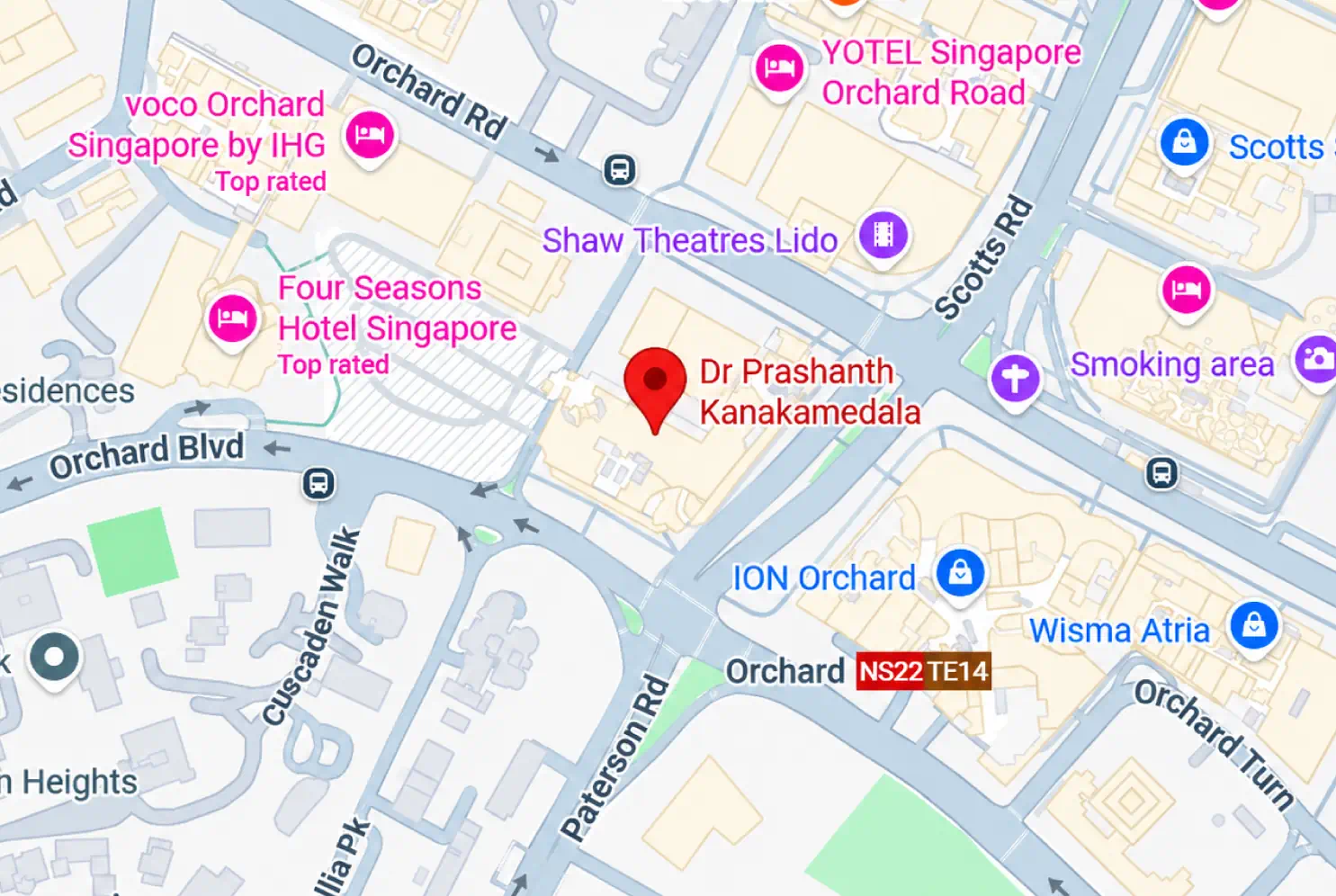


Wheelock
501 Orchard Rd, #05-01 Nuffield Dental Jewel, Wheelock Place, Singapore 238880
Available on Mondays, Tuesdays, Thursdays and Saturdays.
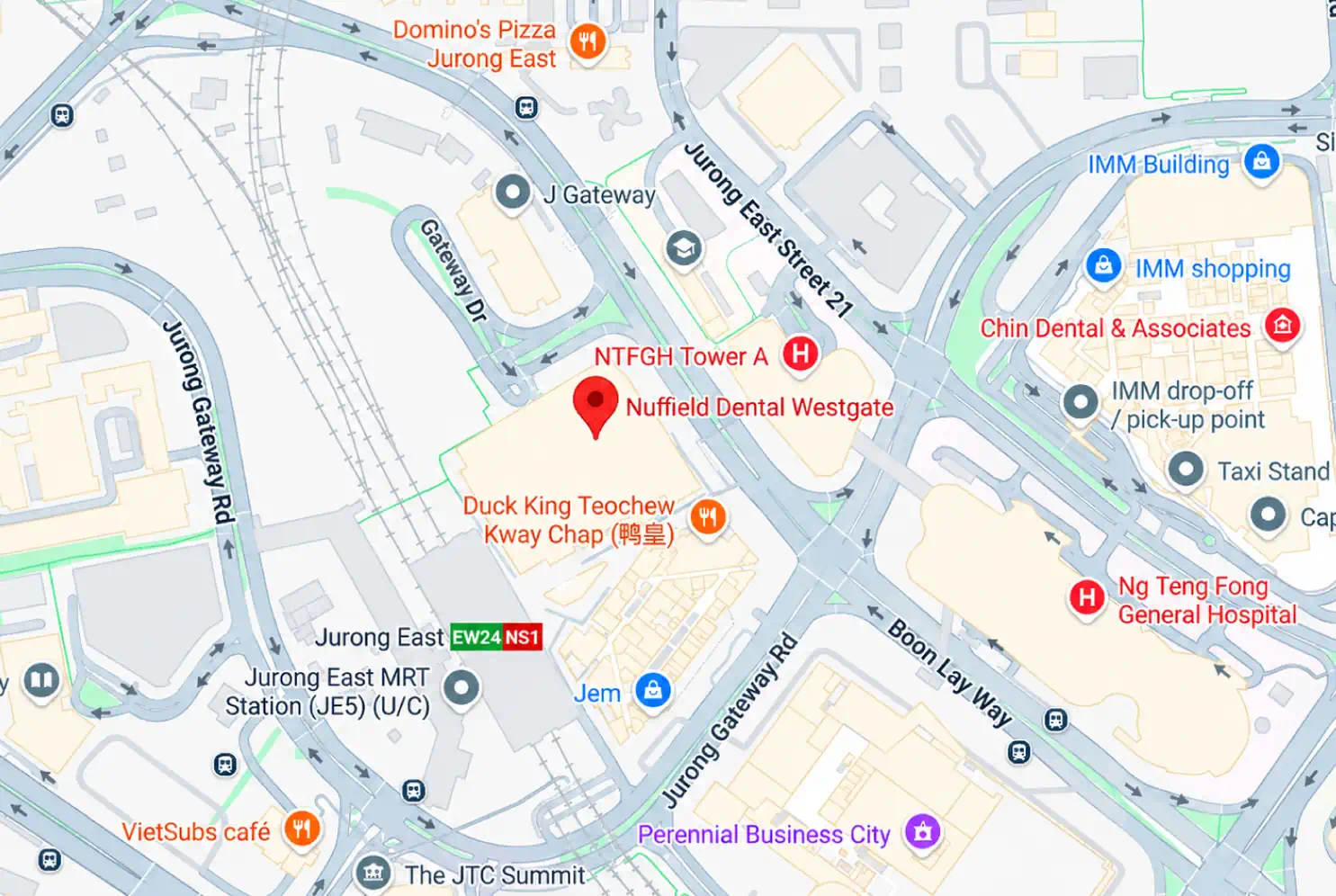
Westgate
3 Gateway Dr #04-32 Nuffield Dental Westgate, Westgate, Singapore, 608532
Available on Wednesdays and Fridays.





© 2026 Dr Prashanth Kanakamedala | All rights reserved | Privacy Policy | Digital Marketing by Remedo
