
Dental Bonding in Orchard Road, Singapore
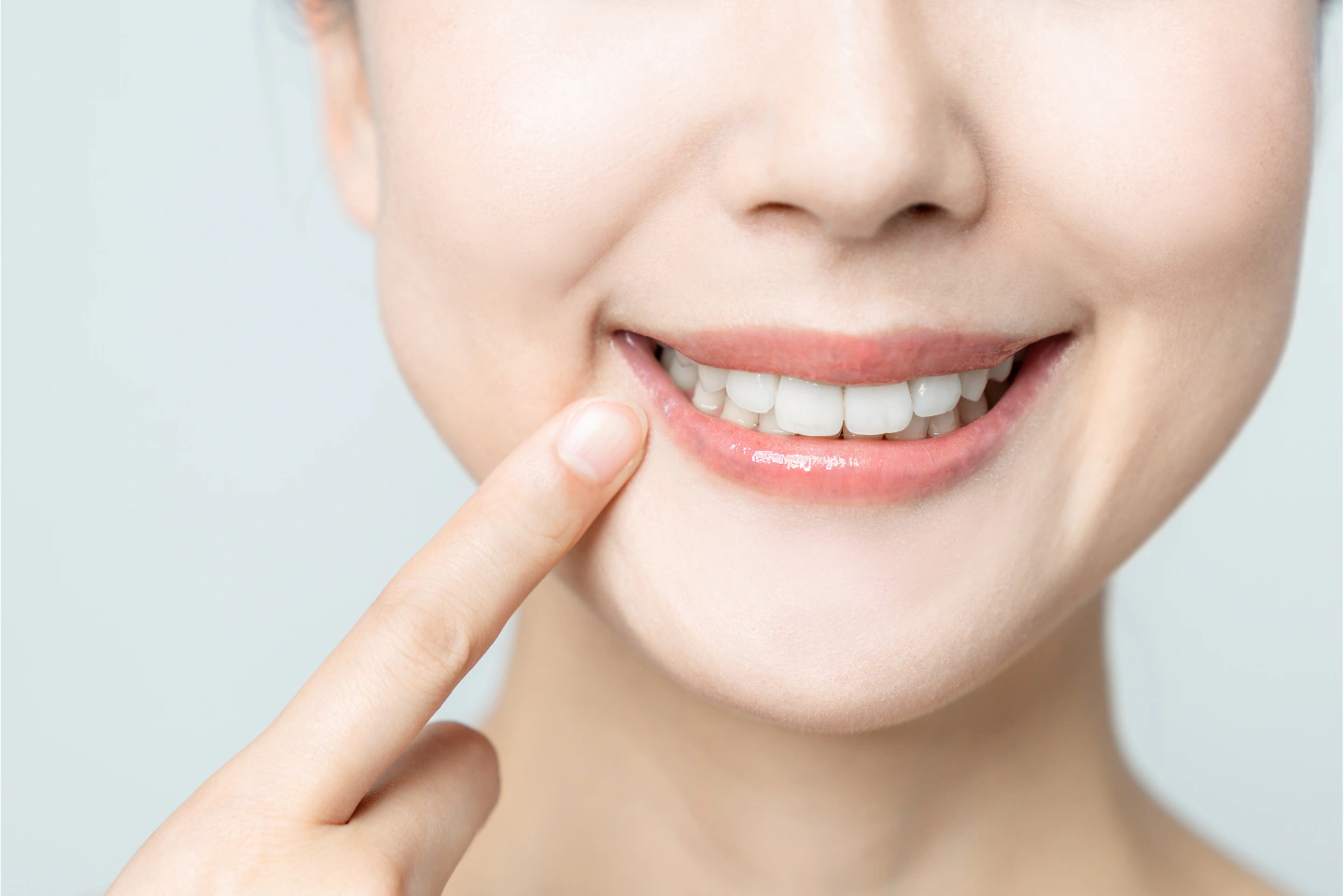
Dental bonding is a simple and minimally invasive cosmetic dental treatment used to improve the appearance of teeth that are chipped, slightly gapped, uneven, or discoloured. At Dr. Prashanth Kanakamedala’s clinic on Orchard Road, Singapore, dental bonding is planned after a careful clinical assessment to ensure it is suitable for both aesthetic improvement and long-term oral health.
If you are considering dental bonding on Orchard Road, Singapore, it is often one of the quickest ways to refine your smile without extensive dental work.
What Is Dental Bonding?
Dental bonding involves applying a tooth-coloured composite resin material directly onto the surface of the tooth. The material is shaped and polished to blend naturally with the surrounding teeth, improving appearance while maintaining the natural tooth structure underneath.
It is commonly used for small to moderate cosmetic concerns and is considered a conservative treatment because it usually requires minimal or no removal of enamel.
Dental bonding may be recommended to:
- Repair chipped or cracked teeth
- Close small gaps between teeth
- Improve uneven tooth edges
- Cover areas of discolouration
- Reshape slightly irregular teeth
- Improve symmetry in the smile
The procedure is typically completed in a single visit in many cases.
When Is Dental Bonding Suitable?
Dental bonding is best suited for minor cosmetic corrections rather than complex structural issues. It is often chosen when patients want noticeable improvements without undergoing more extensive treatments.
You may be suitable for dental bonding on Orchard Road, Singapore if you have:
- Small chips or wear on the front teeth
- Minor spacing between teeth
- Teeth that appear slightly uneven in shape
- Localised staining that does not respond well to whitening
- A desire for quick cosmetic improvement
A dental examination is important to confirm whether bonding is the most appropriate option or if another treatment would provide better long-term results.
The Dental Bonding Procedure
Dental bonding is generally straightforward and does not usually require anaesthesia unless the tooth is being shaped near sensitive areas.
1. Assessment and Planning
Your dentist will first examine your teeth and discuss the areas you would like to improve. The shade of the composite material is carefully selected to match your natural teeth.
2. Tooth Preparation
In most cases, only minimal preparation is needed. The tooth surface is gently cleaned and conditioned to help the bonding material adhere properly.
3. Application of Composite Resin
A tooth-coloured resin is applied in layers and carefully shaped to achieve the desired appearance. This step focuses on improving symmetry, contour, and proportion.
4. Hardening the Material
A special curing light is used to harden the material so it bonds securely to the tooth surface.
5. Shaping and Polishing
The bonded area is refined and polished so it blends naturally with surrounding teeth and feels smooth when biting.
The entire process is often completed in a single appointment, depending on the number of teeth being treated.
Benefits of Dental Bonding
Dental bonding is a popular cosmetic treatment because it offers a balance of simplicity, affordability, and aesthetic improvement.
Key benefits include:
- Minimal removal of natural tooth structure
- Quick treatment, often completed in one visit
- Immediate visible improvement
- Natural-looking results when carefully matched
- Suitable for small cosmetic corrections
- No laboratory work required in most cases
For patients considering dental bonding on Orchard Road, Singapore, it can be an effective way to refresh the smile without committing to more complex procedures.
Dental Bonding vs Other Cosmetic Treatments
Dental bonding is often compared with treatments such as veneers or crowns, but each serves a different purpose.
- Bonding is ideal for small corrections and quick improvements.
- Veneers are more suitable for larger cosmetic changes and longer-term aesthetic enhancement.
- Crowns are used when a tooth requires significant structural support.
Longevity of Dental Bonding
Dental bonding is durable, but it is not permanent. The lifespan depends on oral hygiene, eating habits, and the location of the bonding.
On average, bonding can last several years before needing repair or replacement. Over time, it may:
- Become stained
- Chip or wear down slightly
- Require polishing or maintenance
Regular dental check-ups help ensure bonded teeth remain in good condition.
Aftercare for Dental Bonding
After treatment, maintaining good oral hygiene helps preserve the appearance and durability of the bonding.
Patients are usually advised to:
- Brush twice daily with toothpaste.
- Floss regularly to maintain gum health.
- Avoid biting hard objects such as ice or pens.
- Limit staining foods and drinks where possible.
- Attend routine dental reviews.
With proper care, bonded teeth can maintain a natural and attractive appearance for a long period.
Frequently Asked Questions
Q: Is dental bonding painful?
A: Dental bonding is usually not painful and often does not require anaesthesia unless minor shaping is needed near sensitive areas.
Q: How long does dental bonding take?
A: Most bonding treatments can be completed in a single visit, although multiple teeth may take longer.
Q: Does dental bonding look natural?
A: Yes, when properly matched and shaped, bonding blends well with natural teeth and is difficult to notice.
Q: Can dental bonding be whitened later?
A: No, bonding material does not respond to whitening. If whitening is needed, it is usually done before bonding is placed.
Q: How long will dental bonding last?
A: It can last several years, depending on oral habits, hygiene, and the location of the bonding.
Book Your Dental Bonding Treatment on Orchard Road, Singapore
If you are considering improving minor imperfections in your smile, dental bonding may be a suitable option after clinical assessment.
Dr. Prashanth Kanakamedala provides teeth bonding on Orchard Road, Singapore, with a focus on conservative techniques that enhance appearance while preserving natural tooth structure.


Conveniently Situated at
501 Orchard Rd, #05-01 Nuffield Dental Jewel, Wheelock Place, Singapore 238880

Dr Prashanth's Timings
Mon & Wed–Fri: 9 AM–7 PM
Tue & Sat: 9 AM–5 PM
Sun: Closed





© 2026 Dr. Prashanth Kanakamedala | All rights reserved | Privacy Policy | Digital Marketing by Remedo
