
Dental Filling in Orchard Road, Singapore
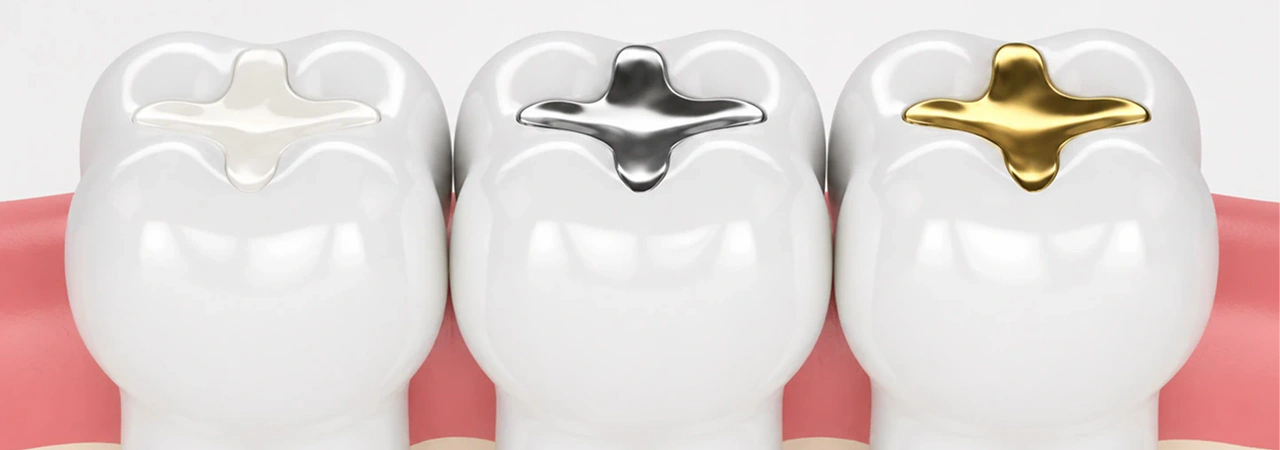
Dental fillings are commonly used to restore teeth that have been affected by decay, minor fractures, or wear. By repairing damaged areas of a tooth, a filling can help restore function, maintain tooth structure, and support long-term oral health.
At Dr. Prashanth Kanakamedala's clinic in Orchard Road, Singapore, treatment recommendations are based on a comprehensive dental examination, diagnostic findings, and each patient's individual needs. The most appropriate restorative treatment depends entirely on the condition of the tooth and the extent of damage present.
Understanding Dental Fillings
A dental filling is a baseline restorative treatment used to repair a tooth that has been affected by decay or minor structural damage. During the procedure, the compromised portion of the tooth is carefully removed, and the remaining cavity is cleaned out and restored using a durable filling material.
Modern dental fillings are engineered to seamlessly restore both the function and appearance of the tooth while preserving as much of your natural, healthy tooth structure as possible.
When Might A Dental Filling Be Recommended?
A filling may be considered in several distinct clinical situations, including:
Tooth Decay
When oral bacteria create a cavity, a filling is used to seal the affected area after the active decay has been cleared away to stop it from spreading deeper toward the nerve.
Chipped or Fractured Teeth
Minor physical chips or superficial fractures from biting down on hard objects can often be built back up and repaired using advanced restorative materials.
Worn Teeth
Teeth affected by structural wear from chronic grinding (bruxism), aggressive brushing, or dietary acid erosion may benefit from target restorations to shield the sensitive inner dentine.
Replacement of Existing Fillings
Older restorations may occasionally require replacement if they become worn down, cracked, or experience leaking margins that allow new bacteria to slip underneath.
Signs That A Tooth May Need Assessment
Not all dental problems cause immediate discomfort. Many cavities grow silently without any pain at all. However, certain baseline symptoms may indicate the need for a professional dental evaluation:
- Sharp tooth sensitivity to hot, cold, or highly sweet foods and drinks
- Visible holes, pits, or dark spots appearing on the surface of a tooth
- A dull ache or sharp pain when chewing or biting down
- A rough edge or a tooth that suddenly feels chipped to your tongue
- Older fillings that feel loose, rough, or damaged
- Food frequently and uncomfortably becoming trapped in a specific gap between teeth
- Asymptomatic structural changes identified during a routine dental examination
A detailed dental assessment can help determine the exact underlying cause and reveal the most appropriate treatment options.
Types Of Dental Fillings Available
Several restorative materials may be used depending on the physical location of the tooth and your specific clinical requirements.
Composite Fillings
Composite fillings are tooth-coloured restorations crafted from a mixture of dental resins and fine glass particles. They are chemically formulated to blend seamlessly with your natural enamel, making them the premier choice for visible areas of the mouth.
Glass Ionomer Fillings
These materials are made of a flexible acrylic and glass mixture. They are unique because they naturally release fluoride over time, helping to strengthen the surrounding tooth. They are often selected for fillings along the gumline or as temporary restorations in deep cavities.
Other Restorative Materials
Your dentist may discuss alternative restorative options, such as custom porcelain inlays or onlays when the cavity is too large for a standard filling but not quite extensive enough to require a full dental crown.
Material selection: The final choice of filling material depends heavily on the size and depth of the restoration, the mechanical load the tooth bears, your personal aesthetic goals, and functional bite requirements.
What Happens During Dental Filling Treatment?
The exact procedure depends slightly on the placement of the cavity and the specific material being used, but a standard restoration generally follows these steps:
- Examination and Diagnosis: Your dentist will visually assess the tooth and use digital X-rays to pinpoint the exact boundaries of the decay.
- Local Anaesthesia: If required, a local anaesthetic is gently administered to completely numb the area, ensuring you remain entirely comfortable throughout the session.
- Removal of Affected Tooth Structure: Specialised instruments are used to carefully isolate and remove the damaged or decayed portions of the tooth, leaving a perfectly clean foundation.
- Placement of the Filling: The selected restorative material is layered into the cavity. For composite fillings, a specialised blue curing light is used to harden each layer in a matter of seconds.
- Finishing and Adjustment: The final restoration is meticulously shaped, contoured to match your natural anatomy, and polished. Your dentist will check your bite to ensure everything fits comfortably together.
Composite Fillings In Orchard Road, Singapore
Composite fillings are highly favoured because they can be precisely colour-matched to the unique shade of your surrounding teeth. Because they bond directly to the natural enamel, they require less tooth preparation and removal than older metallic options. These versatile restorations are ideally suited for repairing fresh cavities, replacing ageing restorations, and touching up minor cosmetic flaws.
The long-term suitability of composite fillings depends on the location of the tooth, the volume of healthy enamel remaining, and individual biting forces.
Caring For Your Dental Fillings
Maintaining an excellent oral hygiene routine is the single best way to maximise the longevity of your dental restorations. To protect your investment, you are generally advised to:
- Brush your teeth thoroughly twice daily using a fluoridated toothpaste
- Floss daily to keep the margins of your new filling completely clear of plaque
- Attend routine dental examinations and professional cleans every six months
- Limit your intake of highly sugary foods and acidic snacks between meals
- Seek prompt professional advice if you notice sudden sensitivity or a rough edge
- Follow any specific post-treatment care instructions shared by your clinical team
Frequently Asked Questions
Q: How long do dental fillings last?
A: On average, modern composite fillings last between 5 and 10 years. Their precise lifespan depends heavily on your daily oral hygiene standards, bite forces, and dietary habits.
Q: Are composite fillings noticeable?
A: No. Because composite resin is carefully shaded and polished to match your natural tooth structure, it blends in beautifully and is virtually unnoticeable during regular talking and smiling.
Q: Can a filling repair a chipped tooth?
A: Yes, absolutely. For minor chips and structural fractures on front teeth, composite bonding can be beautifully sculpted to restore the tooth's original shape and silhouette.
Q: Will I need a filling if I do not feel any pain?
A: Quite often, yes. Tooth decay usually doesn't cause pain until it breaks through the enamel and reaches the deeper, sensitive nerve centre of the tooth. Catching and filling a cavity early prevents the need for more invasive treatments like root canals later on.
Q: Can old silver fillings be replaced with composite?
A: Yes. If your older silver (amalgam) fillings are cracking, wearing down, developing secondary decay at the edges, or if you simply prefer a metal-free smile, they can be safely removed and replaced with modern composite materials.
Dental Filling Dentist In Orchard Road, Singapore
If you have concerns about potential tooth decay, localised sensitivity, a physical chip, or an older filling that feels rough, a professional consultation can help determine whether a restorative treatment is needed.
Dr. Prashanth Kanakamedala provides dedicated dental filling treatments and comprehensive restorative dental care in Orchard Road, Singapore. All clinical treatment recommendations are firmly based on an individual assessment, detailed examination, and structural diagnostic findings.


Conveniently Situated at
501 Orchard Rd, #05-01 Nuffield Dental Jewel, Wheelock Place, Singapore 238880

Dr Prashanth's Timings
Mon & Wed–Fri: 9 AM–7 PM
Tue & Sat: 9 AM–5 PM
Sun: Closed





© 2026 Dr. Prashanth Kanakamedala | All rights reserved | Privacy Policy | Digital Marketing by Remedo
