
Sleep Apnoea Dentist at Orchard Road, Singapore
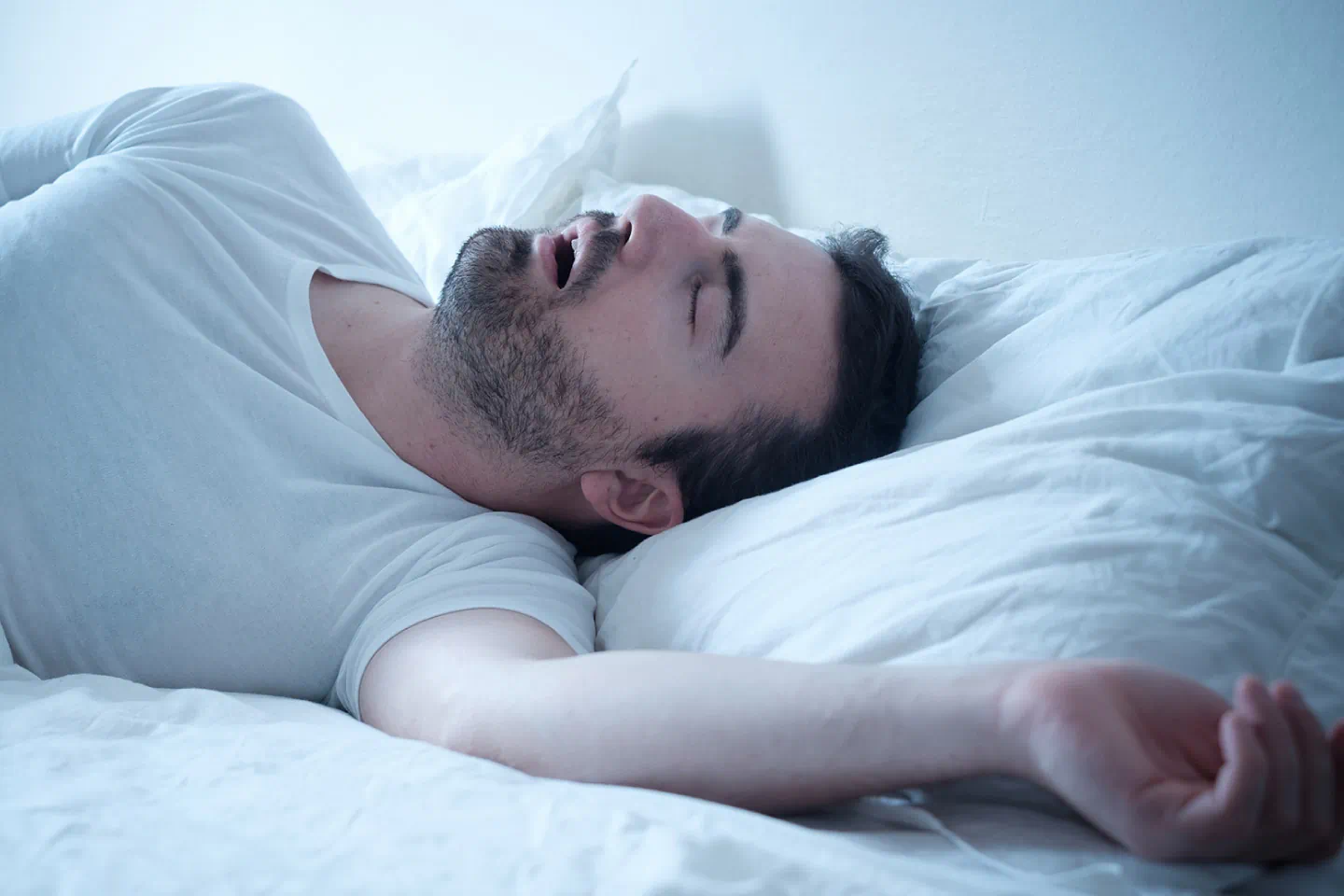
Snoring, restless nights and persistent daytime tiredness can affect your comfort, concentration and quality of life. Although occasional snoring is common, it can sometimes be associated with obstructive sleep apnoea, a condition in which the upper airway repeatedly narrows or becomes blocked during sleep.
Dentists can play a role in recognising certain oral and jaw features associated with sleep-related breathing problems and, in suitable cases, supporting treatment with oral appliances. At Orchard Road, Singapore, a dental consultation can help you understand whether your concerns warrant further assessment and what options may be appropriate.
What Is Obstructive Sleep Apnoea?
Obstructive sleep apnoea (OSA) is a sleep-related breathing disorder in which the upper airway repeatedly becomes partially or completely obstructed during sleep. These episodes can interrupt normal breathing and disturb sleep quality.
OSA varies in severity and may be associated with symptoms such as loud snoring, witnessed pauses in breathing, gasping during sleep and daytime sleepiness. Diagnosis requires appropriate medical assessment and sleep testing rather than a dental examination alone.
Common Symptoms of Sleep Apnoea
Symptoms can vary between individuals. Possible warning signs include:
- Loud, persistent snoring.
- Pauses in breathing noticed by a sleeping partner.
- Gasping or choking during sleep.
- Waking frequently during the night.
- Morning headaches or a dry mouth on waking.
- Difficulty concentrating or feeling unusually tired during the day.
These symptoms can have other causes, so it is important to seek an appropriate assessment rather than assume that you have sleep apnoea.
Snoring vs Sleep Apnoea: What Is the Difference?
Snoring occurs when air passing through the upper airway causes surrounding tissues to vibrate. It can happen without sleep apnoea.
Sleep apnoea involves repeated episodes of disrupted breathing during sleep. Snoring may be one symptom, but not everyone who snores has OSA, and not everyone with OSA snores noticeably.
If you experience loud snoring alongside witnessed breathing pauses or significant daytime sleepiness, speak with a healthcare professional about whether a sleep assessment is needed.
How Can a Dentist Help With Sleep Apnoea?
A dentist may identify oral or jaw characteristics that could be relevant to airway function and ask about symptoms that suggest a possible sleep-related breathing disorder.
For appropriately assessed patients, a custom-made mandibular advancement device may be considered. This type of oral appliance holds the lower jaw forward during sleep to help maintain upper airway space.
Oral appliances are not suitable for everyone. Their use should follow an appropriate diagnosis and assessment, with coordination between the treating dentist and medical or sleep specialist where necessary.
Who May Be Suitable for an Oral Appliance?
A custom oral appliance may be an option for some adults with obstructive sleep apnoea, depending on the severity of the condition, their dental health, jaw function and individual preferences.
Oral appliance therapy may be considered in certain patients who prefer an alternative to continuous positive airway pressure (CPAP), or who cannot tolerate CPAP. The most suitable option depends on the clinical assessment and medical recommendations.
A dentist should also evaluate whether the teeth, gums and jaw joints can support the appliance and monitor any dental or bite-related changes during treatment.
Sleep Testing and Diagnosis
A sleep-related breathing disorder needs appropriate diagnosis. Depending on your circumstances, a medical practitioner or sleep specialist may recommend a home sleep apnoea test or an overnight sleep study.
The results help establish whether OSA is present and determine its severity. A dentist should not diagnose or determine the severity of sleep apnoea from snoring or an oral examination alone.
If you have not been assessed, your dentist can discuss the importance of medical evaluation and referral before considering an oral appliance.
What Does the Dental Treatment Process Involve?
Step 1: Initial consultation
Discuss your symptoms, sleep concerns, dental history and any previous diagnosis or treatment.
Step 2: Review of diagnosis
If sleep apnoea is suspected, appropriate medical assessment and sleep testing may be required before treatment is planned.
Step 3: Dental assessment
Your dentist evaluates your teeth, gums, jaw function and suitability for an oral appliance if this treatment is being considered.
Step 4: Treatment planning
If an oral appliance is appropriate and available, your dentist can explain the device, its limitations, expected follow-up and possible side effects.
Step 5: Follow-up and monitoring
Follow-up helps assess comfort, fit, dental changes and treatment progress. Medical follow-up and repeat sleep testing may be needed to confirm that treatment is effective.
Discuss Sleep-Related Dental Care at Orchard Road
If snoring or disrupted sleep is affecting you, a dental consultation can help you understand the role dentistry may play in assessment and treatment.
Visit Dr. Prashanth Kanakamedala to discuss your concerns and determine the appropriate next step for your oral and sleep health.
Frequently Asked Questions
Can a dentist diagnose sleep apnoea?
A dentist can recognise possible warning signs and assess dental suitability for certain treatments. Diagnosis generally requires medical assessment and appropriate sleep testing.
Can a dental appliance stop snoring?
A suitable oral appliance may reduce snoring in some patients. However, results vary, and snoring should be assessed to determine whether it is associated with sleep apnoea or another condition.
Is an oral appliance an alternative to CPAP?
It may be an option for selected patients, depending on their diagnosis and clinical circumstances. A medical or sleep specialist can help determine the most appropriate treatment.
Is sleep apnoea treatment suitable for everyone?
No. Treatment depends on the diagnosis, severity, general health, dental condition and individual needs. A personalised assessment is essential.
When should I seek help for snoring?
Consider professional assessment if snoring is persistent or accompanied by breathing pauses, gasping, morning headaches or daytime sleepiness. Seek prompt medical advice if you are concerned about your breathing during sleep.


Conveniently Situated at
501 Orchard Rd, #05-01 Nuffield Dental Jewel, Wheelock Place, Singapore 238880

Dr Prashanth's Timings
Mon & Wed–Fri: 9 AM–7 PM
Tue & Sat: 9 AM–5 PM
Sun: Closed





© 2026 Dr. Prashanth Kanakamedala | All rights reserved | Privacy Policy | Digital Marketing by Remedo
