
SMART Amalgam Removal at Orchard Road, Singapore
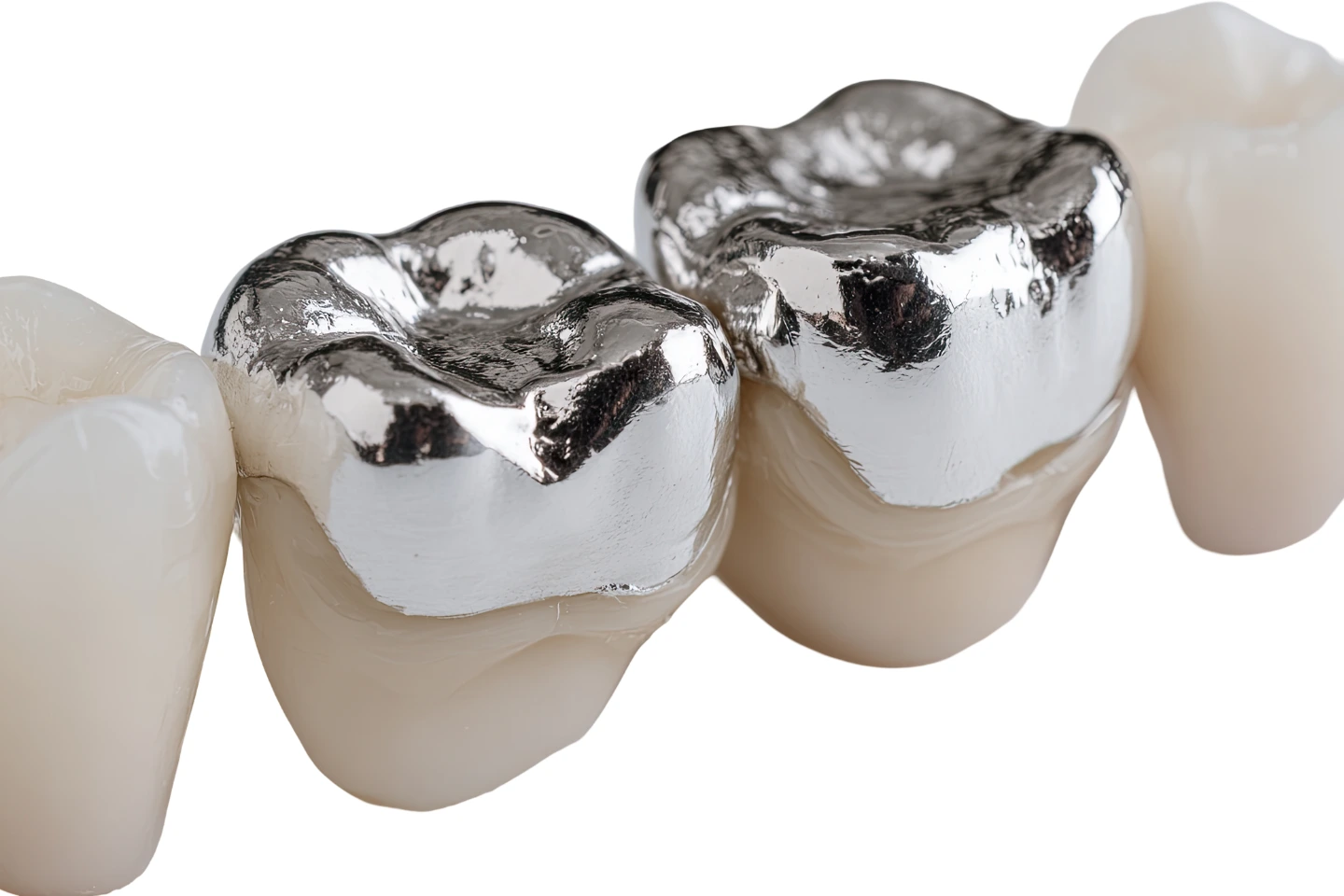
If you have old silver-coloured fillings, you may be wondering whether they should be replaced and what the removal process involves. Dental amalgam has been used for many years to restore teeth affected by decay. Today, patients may also have questions about alternative filling materials and precautions during amalgam removal.
At Dr. Prashanth Kanakamedala's practice at Orchard Road, Singapore, patients can discuss their existing restorations, available replacement materials and mercury-safe removal protocols. Dr. Prashanth is SMART-trained, with an interest in mercury-safe dentistry.
What Is SMART Amalgam Removal?
SMART stands for Safe Mercury Amalgam Removal Technique. It describes a protocol developed to reduce exposure to mercury-containing particles and vapour during the removal of dental amalgam fillings.
The approach involves protective measures designed to manage exposure during treatment. It is important to understand that no removal procedure can be described as completely risk-free. Your dentist should explain the proposed precautions, their purpose and any relevant limitations before treatment begins.
What Are Dental Amalgam Fillings?
Dental amalgam is a restorative material made from a mixture of metals, including mercury, silver, tin and copper. It has traditionally been used to repair cavities, particularly in back teeth that experience chewing pressure.
Amalgam fillings are recognisable by their silver or grey appearance. Depending on their age and condition, they may remain functional for many years.
An intact amalgam filling does not automatically require replacement. Your dentist can examine the restoration and determine whether there are signs of damage, recurrent decay or another reason to consider treatment.
Why Do Some Patients Choose to Replace Amalgam Fillings?
Patients may consider replacing an existing filling for several reasons:
- The filling is cracked, worn or damaged.
- New decay has developed around the restoration.
- The tooth or filling requires further restorative treatment.
- The patient prefers a tooth-coloured alternative where clinically suitable.
- The patient wants to understand mercury-safe removal precautions.
The decision should be based on an individual assessment. Removing a sound filling unnecessarily can weaken a tooth and may introduce avoidable treatment risks.
What Does SMART Stand For?
SMART means Safe Mercury Amalgam Removal Technique. The protocol focuses on precautionary measures during the removal of amalgam restorations.
These measures may include appropriate isolation, high-volume suction, water cooling, suitable protective equipment and careful handling of the removed material. The exact precautions used should be explained by your treating dentist before the procedure.
Protective Measures During Amalgam Removal
When amalgam removal is clinically appropriate, protective measures are intended to limit the spread of particles and reduce exposure during the procedure.
Depending on the treatment plan, precautions may include:
- Using effective suction close to the treatment area.
- Applying water cooling during removal.
- Isolating the tooth where appropriate.
- Using appropriate protective equipment.
- Removing the restoration carefully and managing waste appropriately.
Your dentist can explain which measures will be used in your case and why they are appropriate.
What Happens During the SMART Amalgam Removal Process?
Step 1: Dental assessment
Your dentist examines the existing filling and the surrounding tooth. The condition of the restoration, the amount of remaining tooth structure and the need for replacement are considered.
Step 2: Discussing your options
The available materials and proposed treatment are explained. You can ask about the benefits, limitations, costs and potential risks before deciding how to proceed.
Step 3: Preparing for removal
If removal is appropriate, the dentist prepares the treatment area and implements the planned protective measures.
Step 4: Removing the amalgam filling
The existing restoration is removed using a controlled technique appropriate to the tooth and filling. The procedure depends on the restoration's size, condition and location.
Step 5: Restoring the tooth
After removal, the tooth is assessed and restored with a suitable material. Your dentist will explain any additional treatment required to protect the remaining tooth structure.
What Can Replace an Old Amalgam Filling?
The most appropriate replacement depends on the tooth's condition and how much structure remains.
- Composite resin: A tooth-coloured material suitable for many fillings.
- Other restorative materials: May be considered depending on the location and extent of the restoration.
- A crown or other indirect restoration: May be recommended when a tooth needs more extensive protection.
Your dentist can explain which option offers an appropriate balance of durability, function, appearance and preservation of tooth structure.
Who May Consider Amalgam Replacement?
Patients with damaged restorations, recurrent decay or a clinical need for further treatment may benefit from an assessment. Patients who prefer tooth-coloured fillings may also wish to discuss replacement options.
If your fillings are intact and functioning well, your dentist may recommend monitoring them rather than removing them without a clear reason.
Book a SMART Amalgam Removal Consultation at Orchard Road
If you have questions, speak with Dr. Prashanth Kanakamedala about their condition, available replacement materials and the precautions used during removal.
Book a consultation to receive an individual assessment and make an informed decision about your dental care.
Frequently Asked Questions
Q. Is SMART amalgam removal safe?
SMART uses precautionary measures intended to reduce exposure during amalgam removal. As with any dental procedure, risks remain, and your dentist should explain the specific precautions and limitations.
Q. Should I remove healthy amalgam fillings?
Not automatically. Your dentist should assess the fillings and explain whether there is a clinical reason to replace them. Unnecessary removal may damage healthy tooth structure.
Q. Are composite fillings mercury-free?
Composite resin does not contain mercury as an ingredient and is a common tooth-coloured alternative for suitable restorations.
Q. Will amalgam removal damage my tooth?
Removal can involve the loss of some tooth structure, particularly if the restoration is large or the tooth is already weakened. Careful planning helps your dentist determine how best to preserve and restore the tooth.
Q. How long does the procedure take?
The appointment length depends on the number, size and location of the fillings and the complexity of the replacement. Your dentist can provide an estimate after examining your teeth.


Conveniently Situated at
501 Orchard Rd, #05-01 Nuffield Dental Jewel, Wheelock Place, Singapore 238880

Dr Prashanth's Timings
Mon & Wed–Fri: 9 AM–7 PM
Tue & Sat: 9 AM–5 PM
Sun: Closed





© 2026 Dr. Prashanth Kanakamedala | All rights reserved | Privacy Policy | Digital Marketing by Remedo
