
TMJ Dentist at Orchard Road, Singapore
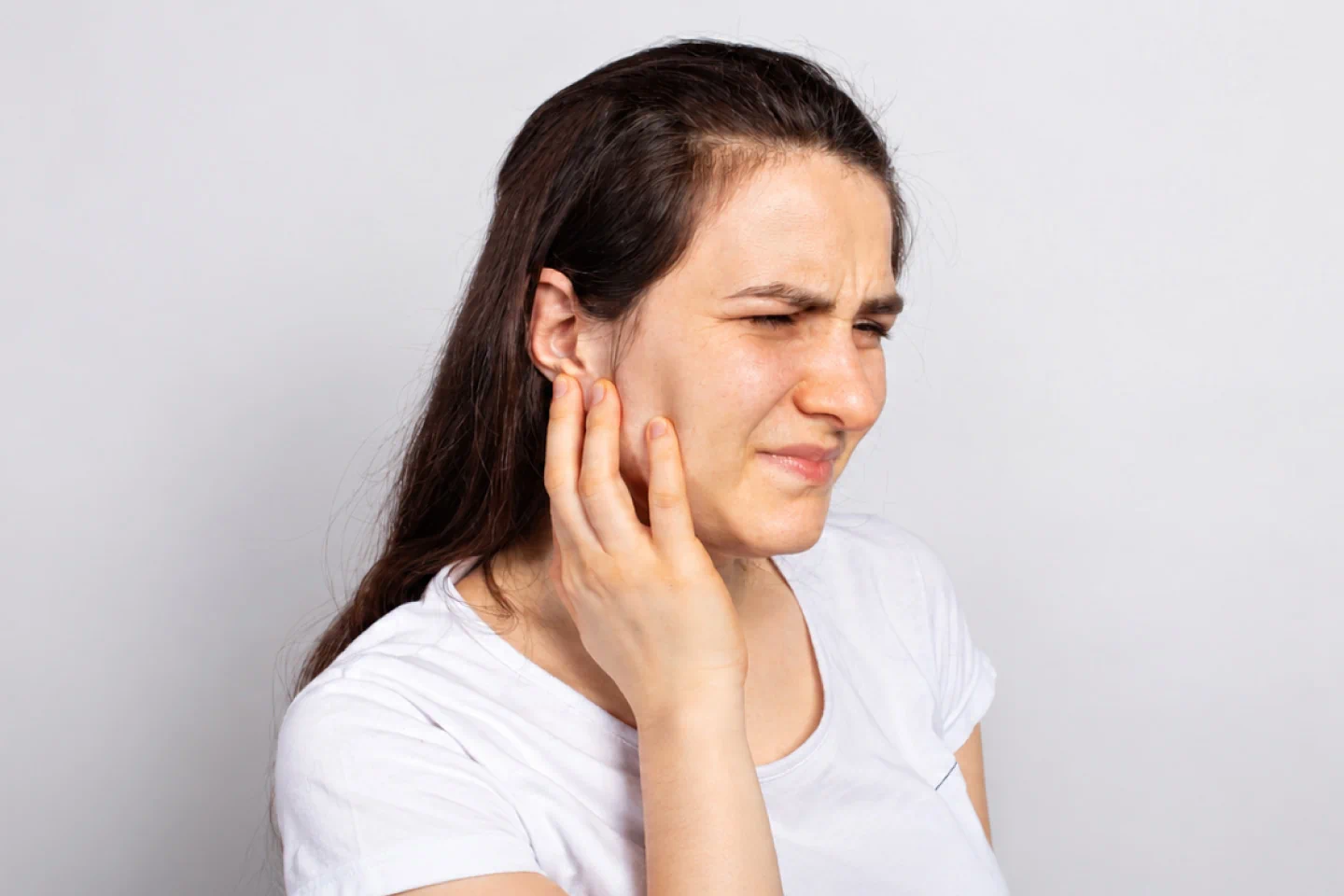
Jaw pain, clicking sounds, facial discomfort and difficulty opening your mouth can make everyday activities such as eating, speaking and yawning uncomfortable. These symptoms may be associated with temporomandibular disorders (TMD), which affect the jaw joints and the muscles responsible for moving the jaw.
Understanding the cause of your symptoms is an important first step towards appropriate care. A dental assessment can help identify possible dental or jaw-related factors and determine whether conservative treatment, further investigation or referral is needed.
What Is the Temporomandibular Joint (TMJ)?
The temporomandibular joints connect your lower jaw to your skull, one on each side of your face. They work with surrounding muscles and other structures to allow you to open and close your mouth, chew and speak.
The term TMJ refers to the joints themselves, while TMD describes a group of conditions that can affect the joints, chewing muscles or related structures. These conditions can have several contributing factors, so treatment should be based on an individual assessment.
Common Symptoms of TMJ Disorders
Symptoms can range from mild and occasional to persistent and disruptive. They may include:
- Pain or tenderness around the jaw joints.
- Clicking, popping or grinding sounds when moving the jaw.
- Tightness or discomfort in the jaw muscles.
- Difficulty opening the mouth fully.
- Jaw discomfort while chewing.
- Facial pain or discomfort around the temples.
- Episodes of the jaw locking or catching.
Jaw clicking without pain or restricted movement is common and does not always require treatment. However, persistent pain, worsening symptoms or difficulty moving the jaw should be assessed.
What Causes TMJ Problems?
There is no single cause of all temporomandibular disorders. Possible contributing factors include:
Teeth clenching and grinding: Repeated clenching or grinding can place additional strain on the jaw muscles and teeth.
Muscle tension: Stress and habitual muscle tightening may contribute to jaw discomfort in some people.
Joint-related conditions: Inflammation, injury or changes affecting the joint structures may lead to pain or restricted movement.
Previous injury: Trauma to the jaw or surrounding area can contribute to symptoms.
Other health conditions: Some headaches, facial pain conditions and musculoskeletal disorders can produce similar symptoms.
A clinical examination helps distinguish between possible causes and guides appropriate management.
How Can a Dentist Help With TMJ Symptoms?
A dentist can assess your teeth, bite, jaw movement and chewing muscles to identify possible dental contributors to your discomfort.
The assessment may include reviewing your symptoms, examining the jaw joints, checking for signs of tooth wear and discussing clenching or grinding habits. Depending on the findings, further investigations or referral to another healthcare professional may be appropriate.
Not every jaw problem originates from the teeth or bite. The aim is to identify the most likely source of symptoms rather than assume that dental treatment alone will resolve them.
TMJ Treatment Options
Treatment depends on the diagnosis, symptom severity and contributing factors. Conservative approaches are often considered first when appropriate.
Self-care and jaw habits
Your dentist may suggest temporarily choosing softer foods, avoiding excessive gum chewing and limiting movements that aggravate your symptoms. Being aware of daytime clenching may also help reduce unnecessary muscle tension.
Managing teeth grinding
If clenching or grinding is contributing to tooth damage or jaw discomfort, your dentist can discuss appropriate management options.
Oral appliances
A custom-made oral splint or night guard may be considered in selected cases, particularly where tooth protection is needed or the appliance is appropriate for the diagnosed condition. Appliances do not suit every patient, and some can alter the bite if used incorrectly or without monitoring.
Further assessment or referral
Persistent or complex symptoms may require additional investigations or referral to a suitable medical, dental or musculoskeletal specialist. Treatment should be tailored to the underlying problem.
What Happens During a TMJ Dental Assessment?
Your appointment may involve:
- Discussing the location, duration and pattern of your symptoms.
- Reviewing relevant dental and medical history.
- Examining jaw movement and joint function.
- Assessing chewing muscles, teeth and signs of clenching or grinding.
- Determining whether further investigations or referral are needed.
- Discussing appropriate treatment and follow-up.
The findings help guide a management plan that addresses your symptoms and protects your oral health.
When Should You Seek Professional Help?
Arrange a dental or medical assessment if jaw pain persists, chewing becomes uncomfortable or you notice increasing difficulty opening your mouth.
Seek urgent medical assessment following significant facial or jaw trauma, or if you develop severe swelling, fever or difficulty swallowing or breathing. A jaw that becomes stuck open or closed may also require prompt care.
Book a TMJ Consultation at Orchard Road
Jaw discomfort should not be ignored when it affects your daily routine. An assessment can help clarify the possible causes and identify the next steps.
Visit Dr. Prashanth Kanakamedala to discuss your jaw symptoms and find out whether a dental assessment is appropriate.
Frequently Asked Questions
Q. Does jaw clicking always mean I have a TMJ disorder?
No. Clicking without pain or restricted movement can be common. Persistent pain, locking or difficulty moving the jaw warrants assessment.
Q. Can a dentist treat TMJ pain?
A dentist can assess dental and jaw-related factors and recommend suitable management or referral. Treatment depends on the cause of your symptoms.
Q. Can teeth grinding cause jaw pain?
Clenching and grinding may contribute to muscle discomfort and tooth wear in some people. An examination can help determine whether these habits are relevant to your symptoms.
Q. Will I need a night guard?
Not everyone with jaw symptoms needs an appliance. Your dentist can assess whether a custom-made splint or night guard is appropriate and explain its benefits and limitations.
Q. How long does TMJ treatment take?
Recovery varies depending on the underlying condition, symptom duration and treatment approach. Some symptoms improve with conservative care, while others need further investigation or longer-term management.


Conveniently Situated at
501 Orchard Rd, #05-01 Nuffield Dental Jewel, Wheelock Place, Singapore 238880

Dr Prashanth's Timings
Mon & Wed–Fri: 9 AM–7 PM
Tue & Sat: 9 AM–5 PM
Sun: Closed





© 2026 Dr. Prashanth Kanakamedala | All rights reserved | Privacy Policy | Digital Marketing by Remedo
