
Bleeding Gums When Brushing? What It Means
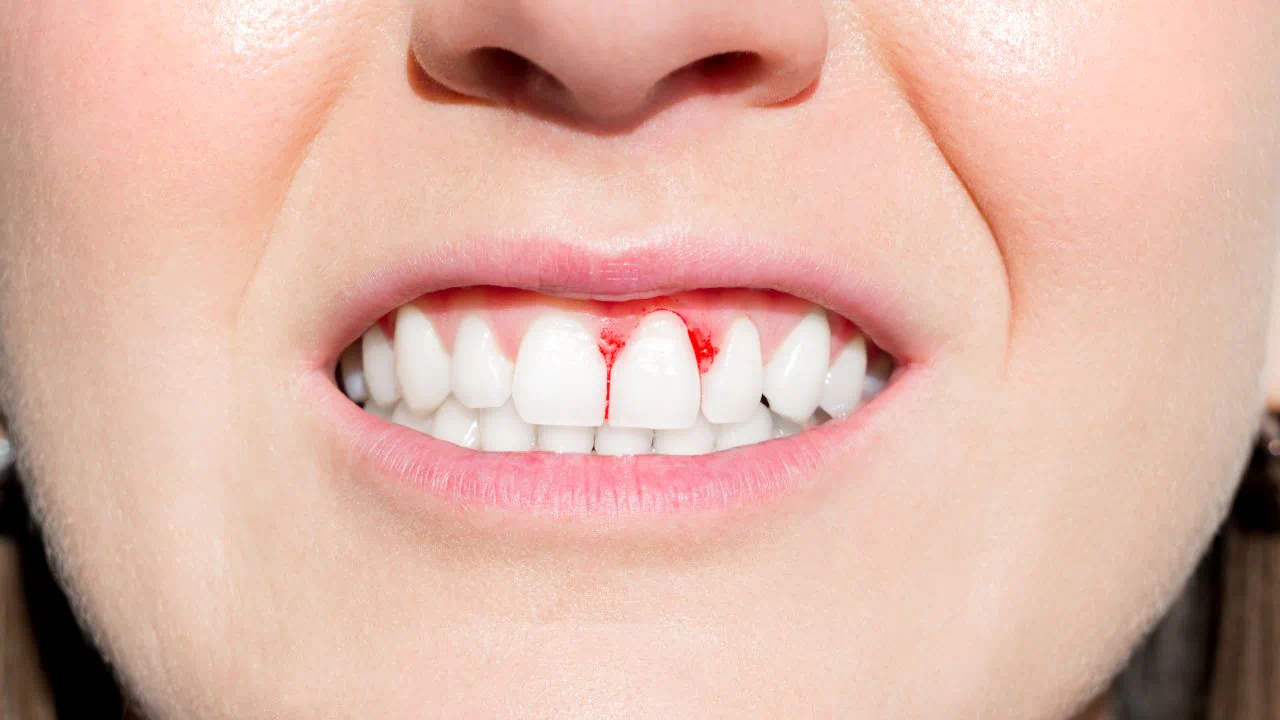
Seeing pink in the sink after you brush is easy to shrug off. You tell yourself you brushed too hard, or you have not flossed in a while, and you carry on. But healthy gums do not bleed. Bleeding is your gums telling you something is irritating them, and it is usually something you can fix.
The short answer: bleeding gums are most often caused by plaque built up along the gumline, which inflames the gums. In many cases this is early gum disease, called gingivitis, and it is reversible with a professional clean and better home care.
What Causes Bleeding Gums?
There are several common causes, and more than one can apply at the same time.
· Plaque and tartar: plaque is a soft film of bacteria that builds up along the gumline. If it is not removed, it hardens into tartar, which only a dentist can remove. Both keep the gums inflamed.
· Gingivitis: this is the gum inflammation that plaque causes. Gums turn red, puffy and tender, and they bleed easily.
· Brushing too hard: a firm scrub or a hard bristled brush can damage the gums. If the bristles of your brush fray within a few weeks, you may be pressing too hard.
· Starting to floss again: gums that have not been cleaned between the teeth for a while often bleed when you begin. This usually settles within a week or two if you keep going gently.
· Smoking and hormonal changes: tobacco and changes such as pregnancy can affect how your gums respond to plaque.
Is It Gingivitis or Something More Serious?
Gingivitis is the early stage. The gums are inflamed but the bone holding your teeth is still intact, so it can be reversed. If it is left alone, it can progress to periodontal disease, where the infection affects the tissue and bone around the teeth.
Warning signs that deserve a prompt visit include gums that are swollen, dark red or pulling away from the teeth, persistent bad breath or a bad taste, and teeth that feel loose or look longer than before. If you notice any of these, please do not wait.
What Can Help at Home?
You can often make a real difference in a couple of weeks.
· Brush twice a day for about two minutes with fluoride toothpaste and a soft brush, using gentle circles along the gumline.
· Clean between your teeth daily with floss or interdental brushes.
· Keep brushing the bleeding areas gently, and do not avoid them. Avoiding them lets plaque build up and makes the bleeding worse.
· Cut back on sugary snacks and drinks, which feed the bacteria in plaque.
· Replace your toothbrush every three months, or sooner if the bristles splay.
If the bleeding is still there after a couple of weeks of good cleaning, home care alone is probably not enough.
What Does a Dentist Do About Bleeding Gums?
This is where professional care matters. Tartar cannot be brushed off, so it has to be removed. During scaling and polishing, I clean above and just below the gumline with ultrasonic and hand instruments, and then polish the teeth to make them smoother and harder for plaque to cling to. Most people notice their gums feel calmer and bleed less afterward.
We also look at the bigger picture. A dental checkup includes a gum health assessment, where I check for bleeding, recession and signs of gum disease so that I can tell you whether it is gingivitis or something that needs more attention. If you are curious about modern options, our comparison of AIRFLOW vs traditional teeth cleaning explains how each approach works.
How Often Should You Have Your Teeth Cleaned?
For most people, about every six months works well, and more often if you build up tartar quickly or have a history of gum problems. Our article on how often you should go to the dentist breaks this down by situation.
When Bleeding Is Not About Your Gums
Most bleeding gums come from plaque, but not all. If your gums bleed easily without an obvious cause, if you bruise or bleed in other places, or if you take blood thinning medication or have a health condition that affects bleeding, mention it to your doctor as well as your dentist. I will always ask about your general health, because it can affect your gums.
When to Book a Visit
Come in if your gums bleed every time you brush or floss, if the bleeding has lasted more than a couple of weeks despite better cleaning, or if you notice swelling, recession, bad breath that will not go away or any loose teeth. Sudden swelling, pain or a bad taste can also be urgent, and our emergency dentistry service can see you for that.
Book a Gum Check at Orchard Road
You do not need to live with bleeding gums. I will look at your gums, explain what is causing the bleeding, and put together a simple plan to get them healthy again. Call +65 3125 0915 or contact my clinic to book a visit.
FAQs
Is it normal for gums to bleed when I brush?
No. Healthy gums should not bleed. Occasional bleeding usually points to plaque or irritation, and it is worth fixing before it gets worse.
Should I stop brushing if my gums bleed?
No. Keep brushing gently, including along the gumline. Plaque is usually the cause, and removing it is what helps the gums heal.
Will flossing make my gums bleed more?
It can bleed for the first few days if you are new to flossing. If you keep going gently, it should settle within a week or two. If it does not, let us take a look.
Can bleeding gums go away on their own?
Mild cases from a recent change in routine can settle. If gums bleed because of plaque and tartar, they usually need a professional clean as well as better home care.
Can gingivitis be reversed?
Yes. Early gum inflammation usually reverses with a thorough professional clean and good daily cleaning. That is why catching it early matters.
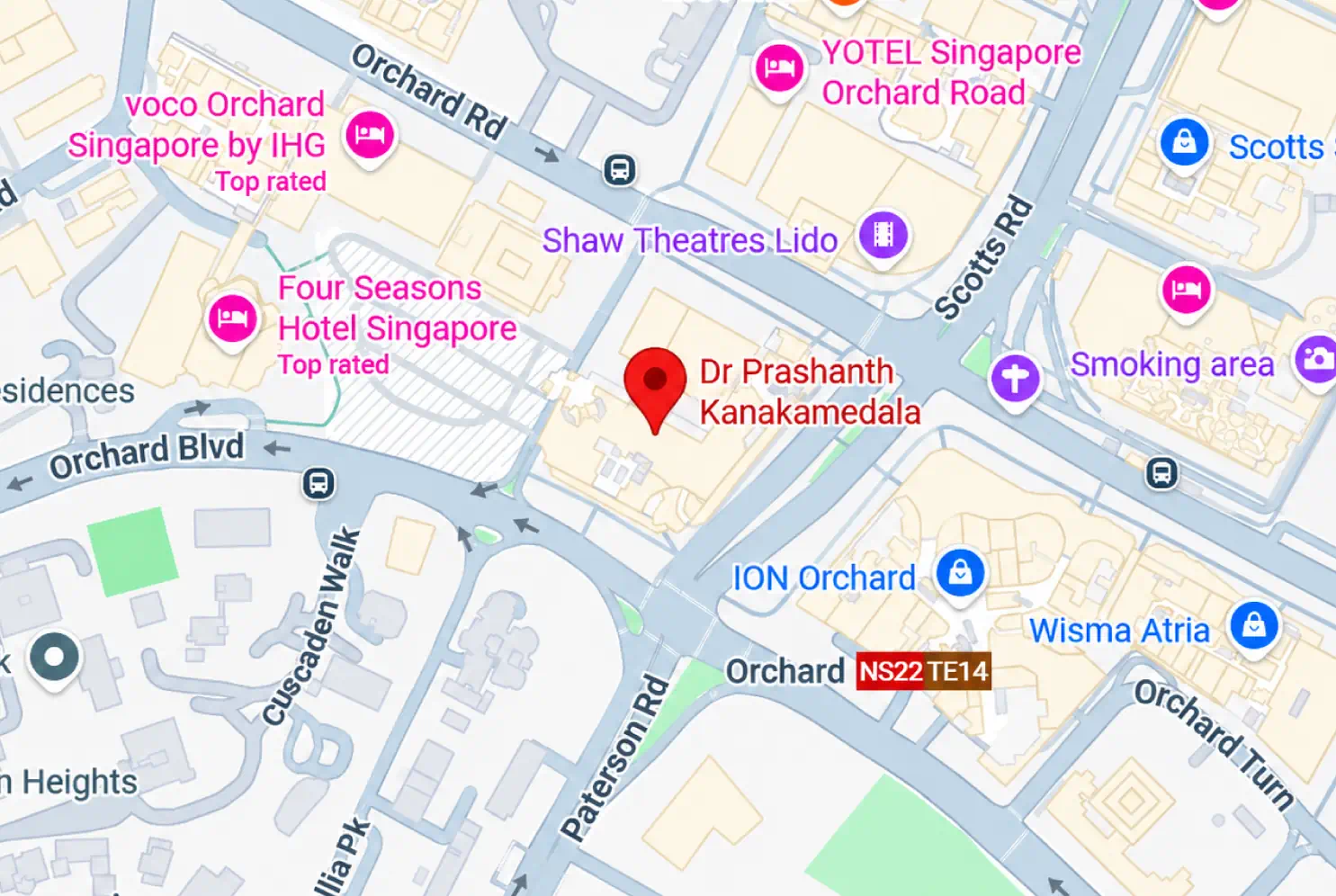



Landmark Orchard
501 Orchard Rd, #05-01 Nuffield Dental Jewel, Landmark Orchard, Singapore 238880
Available on Mondays, Tuesdays, Thursdays and Saturdays.
Westgate
3 Gateway Dr #04-32 Nuffield Dental Westgate, Westgate, Singapore, 608532
Available on Wednesdays and Fridays.





© 2026 Dr Prashanth Kanakamedala | All rights reserved | Privacy Policy | Digital Marketing by Remedo
