
Knocked-Out Tooth: What to Do in the First 30 Minutes
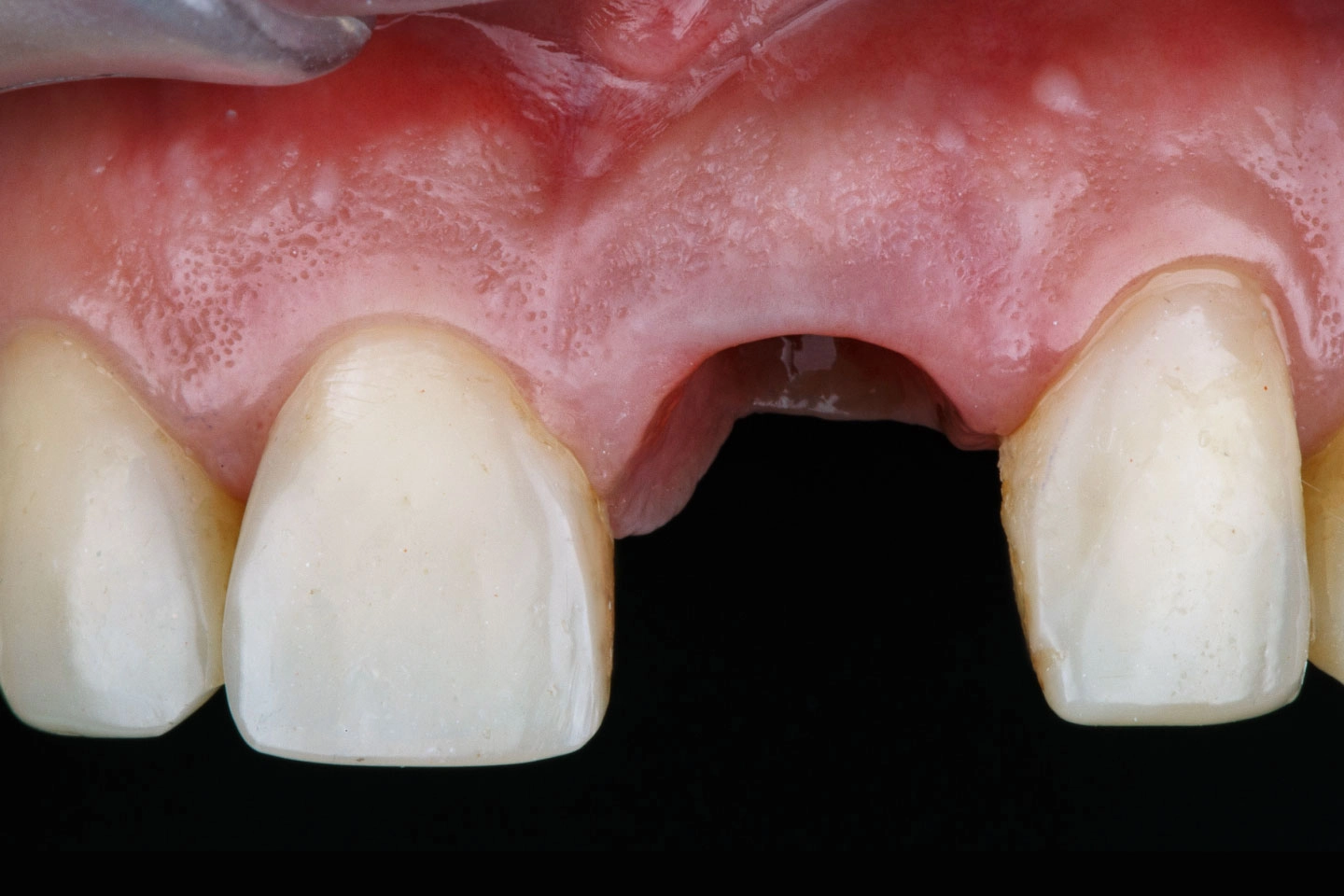
A knocked-out tooth is a dental emergency that requires immediate action. If a permanent tooth has been completely knocked out, the first few minutes matter. Knowing how to handle the tooth, keep it moist, and get urgent dental care can improve the chances of saving it.
Whether the injury happened during sport, a fall, an accident, or another type of trauma, do not wait for the pain to settle before seeking help.
If you or someone with you has a knocked-out permanent tooth, carefully follow the steps below and contact an emergency dentist in Singapore as soon as possible.
What Is a Knocked-Out Tooth?
A knocked-out tooth, medically known as dental avulsion, occurs when a tooth is completely displaced from its socket.
It is different from a chipped, cracked, or loose tooth because the entire tooth has come out, including the root.
A knocked-out permanent tooth is considered a dental emergency. The cells on the root surface are particularly vulnerable to drying out. The longer the tooth remains dry, the lower the chance of successful replantation.
This is why knowing what to do immediately after a tooth is knocked out is so important.
What Should You Do If a Tooth Gets Knocked Out?
If a permanent tooth has been knocked out, follow these steps:
- Find the tooth.
- Hold it only by the crown.
- Gently rinse it if it is dirty.
- Try to place it back into the socket if you can do so safely.
- If you cannot reinsert it, keep it moist in an appropriate solution.
- Contact an emergency dentist immediately.
The goal is to protect the cells on the root surface and get professional dental treatment as quickly as possible.
Why Do the First 30 Minutes Matter?
The sooner a knocked-out permanent tooth is treated, the better the potential outcome.
The cells covering the tooth root can become damaged when the tooth dries out. Prompt replantation may give the tooth a better chance of remaining functional.
Thirty minutes is a useful target for seeking emergency dental care, but do not assume it is too late if more time has already passed. A knocked-out tooth should still be kept moist and assessed by a dentist as soon as possible.
Step 1: Find the Tooth and Handle It Carefully
Try to locate the tooth immediately.
When picking it up, hold it by the crown, which is the visible part of the tooth. Avoid touching the root.
The root contains delicate cells that are important for healing after replantation.
If the tooth has fallen onto the ground and looks dirty, do not scrub it or attempt to clean it aggressively.
Step 2: Gently Rinse the Tooth
If there is dirt or debris on the tooth, gently rinse it with clean water or sterile saline.
Do not:
- Scrub the tooth
- Brush the root
- Use soap or disinfectant
- Wipe the root with tissue
- Allow the tooth to dry
A brief, gentle rinse is enough.
Step 3: Try to Put the Tooth Back Into the Socket
If the knocked-out tooth is a permanent tooth and you feel comfortable doing so, you can gently place it back into the socket.
Try to position it the correct way around and avoid forcing it.
Once the tooth is back in position, gently bite down on clean gauze or cloth to help keep it in place while travelling to the dentist.
If you cannot reposition the tooth easily, do not force it. Keep it moist and seek emergency dental care immediately.
Step 4: Keep the Tooth Moist
If you cannot put the tooth back into the socket, keeping it moist is essential.
Suitable options include:
- Cold milk
- Sterile saline solution
- A tooth-preservation solution or kit
- Saliva, where appropriate
If the person is young, avoid placing the tooth inside their mouth because they may accidentally swallow or inhale it.
Do not allow the tooth to dry out.
Plain water is not the preferred long-term storage medium for an avulsed tooth because it does not provide the conditions needed to protect the root cells.
Step 5: See an Emergency Dentist Immediately
Once the tooth has been located and safely stored, seek professional care without delay.
An emergency dentist in Singapore can assess the tooth, socket, surrounding tissues, and any other injuries caused by the trauma.
Do not wait until the next day simply because the pain is manageable. A knocked-out tooth requires urgent assessment.
What If the Tooth Is a Baby Tooth?
A knocked-out baby tooth should generally not be put back into the socket.
Replanting a baby tooth can potentially damage the developing permanent tooth underneath it.
If your child loses a baby tooth following an accident:
- Stay calm and comfort your child.
- Apply clean gauze if there is bleeding.
- Do not try to reinsert the tooth.
- Arrange an urgent dental examination.
A dentist can check the gums and surrounding tissues and determine whether any further treatment is necessary.
For children who experience dental trauma, timely assessment is particularly important because injuries can sometimes affect developing permanent teeth.
What Happens When You See a Dentist?
Your dentist will examine the knocked-out tooth and the area around the socket.
Depending on the injury, treatment may include:
- Checking the tooth and socket
- Taking dental X-rays
- Cleaning the affected area
- Replanting the tooth when appropriate
- Stabilising the tooth with a splint
- Monitoring the tooth during follow-up appointments
In some cases, the tooth may require further treatment after replantation.
If the dental pulp has been severely damaged, root canal treatment in Singapore may be recommended to help manage infection and preserve the tooth.
Can a Knocked-Out Tooth Always Be Saved?
Unfortunately, no.
The outcome depends on several factors, including:
- How quickly the tooth receives treatment
- How long it has been outside the mouth
- Whether the root has been kept moist
- How the tooth has been handled
- The condition of the tooth
- The condition of the socket and surrounding bone
However, you should never assume that the tooth cannot be saved.
Even if the tooth has been out of the mouth for longer than 30 minutes, keep it moist and seek professional assessment immediately.
What If the Tooth Cannot Be Saved?
If the tooth cannot be replanted or does not survive after treatment, your dentist can discuss appropriate replacement options.
Depending on your age, oral health, bone condition, and individual circumstances, treatment may include restorative or tooth-replacement options.
If trauma has caused damage to other teeth, treatments such as dental bonding or a dental crown may sometimes be considered to restore damaged tooth structure.
The appropriate treatment depends on the extent of the injury and should be determined following a professional examination.
When Should a Knocked-Out Tooth Be Treated as an Emergency?
A completely knocked-out permanent tooth always requires urgent dental assessment.
You should also seek emergency dental care following an injury if you have:
- Severe or increasing dental pain
- Heavy or persistent bleeding
- Significant swelling
- A broken or displaced tooth
- A deep cut to the mouth or gums
- A suspected jaw injury
- Difficulty opening your mouth
- Difficulty swallowing or breathing
If facial trauma is severe or you have difficulty breathing or swallowing, seek urgent medical attention immediately.
How Can You Prevent Dental Injuries?
Dental trauma cannot always be prevented, but you can reduce the risk of serious injuries.
Consider:
- Wearing a properly fitted mouthguard during contact sports
- Using appropriate protective equipment during activities with a risk of falls
- Avoiding chewing hard objects such as ice or pens
- Keeping potentially dangerous areas of the home safe for children
- Attending regular dental examinations
Regular dental check-ups can also help identify weakened or damaged teeth that may be more vulnerable to injury.
Every Minute Counts
A knocked-out permanent tooth is a time-sensitive dental emergency. The most important things to remember are:
Pick up the tooth by the crown. Do not touch or scrub the root. Gently rinse it if necessary. Try to place it back in the socket if you can do so safely. If you cannot, keep it moist in milk, saline, or an appropriate tooth-preservation solution. Then seek emergency dental care immediately.
Even if more than 30 minutes have passed, do not give up on the tooth. Keep it moist and get professional dental advice as quickly as possible.
If you have experienced a knocked-out tooth or another dental injury, contact an emergency dentist in Singapore for prompt assessment.
Frequently Asked Questions
Q. Can a knocked-out permanent tooth be saved?
Yes, a knocked-out permanent tooth can sometimes be saved, particularly when it is treated quickly and kept moist. The outcome depends on factors such as how long the tooth has been outside the mouth, how it was stored, and the condition of the tooth and surrounding tissues.
Q. How long do I have to save a knocked-out tooth?
You should seek dental treatment immediately. The first 30 minutes are particularly important, but there is no point at which you should simply give up. Keep the tooth moist and contact an emergency dentist as soon as possible.
Q. What should I put a knocked-out tooth in?
If you cannot place the tooth back into its socket, suitable options include cold milk, sterile saline, or a tooth-preservation solution. The important thing is to prevent the tooth from drying out.
Q. Can I put a knocked-out tooth in water?
Water is not the preferred storage medium for a knocked-out permanent tooth, particularly for extended periods. Milk, sterile saline, or a specialised tooth-preservation solution is generally preferred.
Q. Should I put a knocked-out baby tooth back in?
No. A baby tooth should generally not be replanted because this may damage the developing permanent tooth underneath. Instead, arrange an urgent dental assessment.
Q. What happens if a knocked-out tooth cannot be saved?
If the tooth cannot be replanted or does not survive, your dentist can discuss suitable replacement or restorative options. The best choice depends on your overall oral health and the condition of the surrounding teeth and bone.
Q. Should I still see a dentist if the tooth has been out for more than 30 minutes?
Yes. Absolutely. Even when more than 30 minutes have passed, keep the tooth moist and seek dental treatment immediately. Your dentist can assess whether replantation or another treatment is appropriate.
Q. Is a knocked-out tooth an emergency?
Yes. A completely knocked-out permanent tooth requires urgent dental assessment. The sooner it is treated, the better the potential chance of saving the natural tooth.


Conveniently Situated at
501 Orchard Rd, #05-01 Nuffield Dental Jewel, Wheelock Place, Singapore 238880

Dr Prashanth's Timings
Mon & Wed–Fri: 9 AM–7 PM
Tue & Sat: 9 AM–5 PM
Sun: Closed





© 2026 Dr. Prashanth Kanakamedala | All rights reserved | Privacy Policy | Digital Marketing by Remedo
