
Dental Crown After Root Canal: Is It Needed?
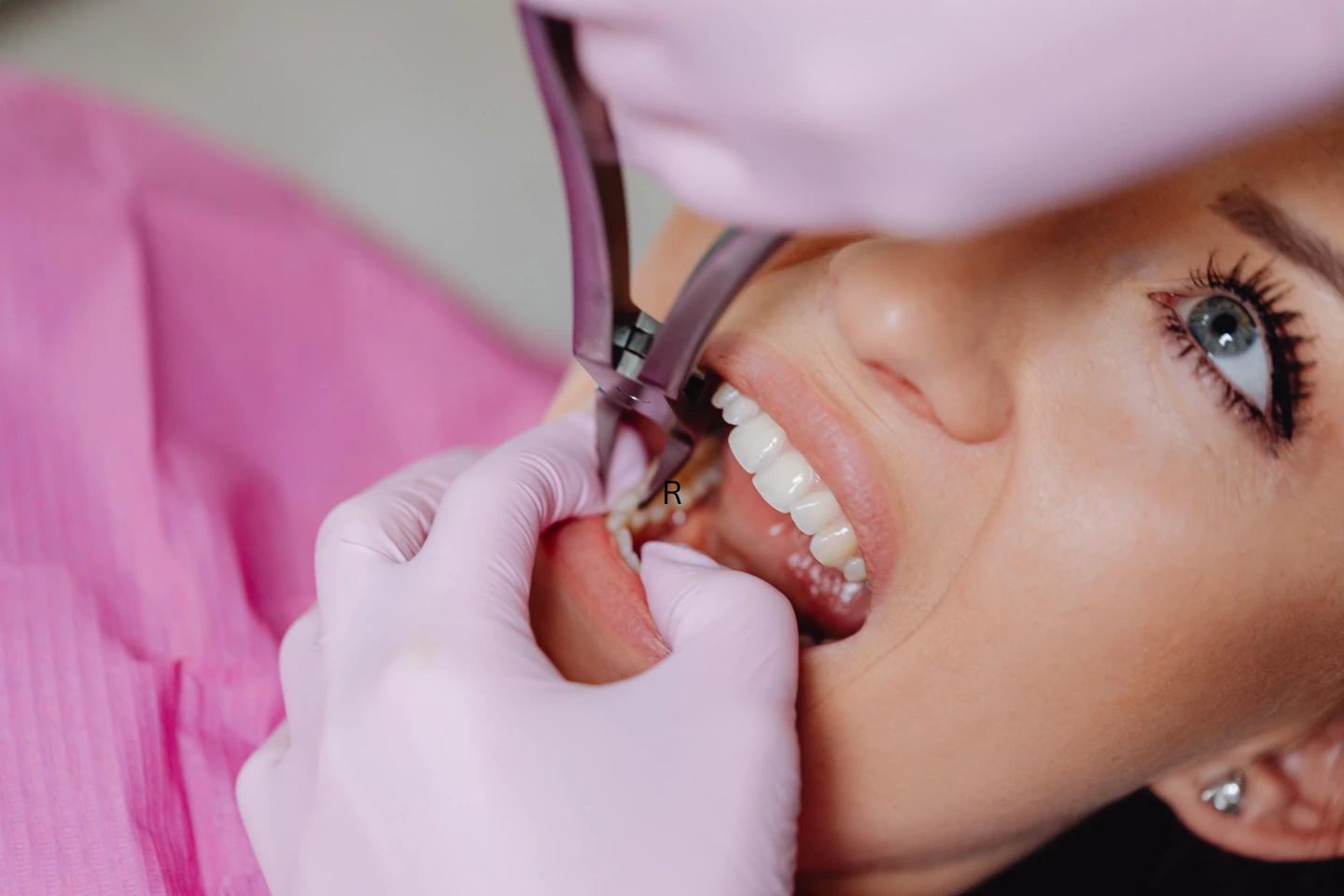
A crown is often recommended after a root canal because the tooth has usually lost a lot of its structure to decay, cracks or large fillings, and a crown covers and protects what is left. It is not needed for every tooth. Back teeth with heavy damage are the most likely to need one, while a front tooth with plenty of healthy structure may only need a filling.
A root canal treatment removes infected or inflamed tissue from inside a tooth so the natural tooth can stay in your mouth. But cleaning and sealing the inside is only half the job. The outer part of the tooth still has to cope with years of biting and chewing, and that is where a crown often comes in.
Dr Prashanth Kanakamedala examines each tooth individually before deciding whether a crown makes sense. If you have just had a root canal, or have been told you need one, this guide explains how that decision is made.
Key Takeaways
- A crown is a protective cover, not a second root canal. It is recommended when the tooth has lost significant structure.
- Back teeth (molars and premolars) are the most likely to need a crown because they take the heaviest chewing forces.
- In a well known University of Iowa study, root canal treated teeth without crowns were lost at about six times the rate of crowned teeth. The study was observational, so it shows an association rather than proof.
- No restoration can promise a tooth will never fracture, but a well fitted crown lowers the risk in teeth that are heavily damaged.
- If you have swelling, lingering pain or a loose temporary filling, get it checked before the final restoration is placed.
What Is a Dental Crown?
A dental crown is a custom made cap that fits over a prepared tooth. It restores the shape, function and appearance of the tooth and covers the natural structure underneath.
Crowns can be made from ceramic, porcelain, zirconia, porcelain fused to metal or metal alloys. The right material depends on where the tooth sits, how much of it remains, how hard you bite and how important appearance is for that tooth.
A crown is different from a filling. A filling repairs one area inside a tooth. A crown wraps around the whole visible part of the tooth, which is why it is chosen when more than a small area needs support.
Why Is a Crown Often Recommended After Root Canal Treatment?
Root canal treatment removes the infected pulp, then cleans, shapes and seals the inner canals. That solves the infection problem. It does not rebuild the outer tooth.
By the time most teeth need a root canal, they have already been weakened. Deep decay may have removed a large part of the crown of the tooth. An old filling may be wide enough to leave thin walls. Or there may be a crack. Opening the tooth to reach the canals removes a little more structure on top of that.
A crown may be recommended to:
- Hold the remaining tooth together and spread chewing forces more evenly
- Seal the top of the tooth so bacteria are less likely to leak back into the canals
- Restore the tooth's shape, bite and appearance
- Reduce the chance of a fracture that could cost you the tooth
- Provide a lasting final restoration instead of a temporary one
According to a study in the Journal of Prosthetic Dentistry (Aquilino and Caplan, 2002) that followed 203 root canal treated teeth, teeth that were not crowned after treatment were lost at 6.0 times the rate of crowned teeth, after accounting for tooth type and decay. The researchers were looking back at records, so the result should be read as a strong pattern, not a guarantee for any single tooth.
That is also why the decision is made tooth by tooth, rather than because a root canal has been done.
Does Every Root Canal Treated Tooth Need a Crown?
No. Dentists weigh several things:
- Which tooth was treated
- How much natural tooth structure is left
- The size and position of existing fillings
- Whether there are cracks or other damage
- How hard the tooth works when you chew
- Whether you grind or clench your teeth
A tooth that has kept most of its walls, such as a front tooth treated after a small injury, can sometimes be restored with a filling or bonding and does well without a crown. A tooth that has lost a cusp or most of its walls usually needs more cover.
If a front tooth has darkened after treatment or the shape needs improving, veneers or a crown may be discussed, depending on how much tooth remains and what you want to achieve.
Dr Prashanth can assess your tooth and explain whether a dental crown in Singapore is the right choice in your situation.
Why Are Back Teeth More Likely to Need Crowns?
Molars and premolars do most of the grinding when you eat. Each bite sends strong forces down through the cusps, and a tooth with thin, hollowed out walls can split under that load.
After root canal treatment on a back tooth that already carries a big filling or has lost a cusp, there may be very little healthy structure left to resist those forces. A crown covers the tooth and helps hold it together.
Still, being a molar is not an automatic ticket to a crown. If most of the tooth is intact, a well placed filling may be enough, and your dentist will tell you so.
What Is the Ferrule Effect and Why Does It Matter?
Dentists often talk about how much healthy tooth sits above the gumline for a crown to grip. This grip is called the ferrule effect, and it works much like a metal band around a barrel stave. The more sound tooth the crown can hug, the better the tooth tends to resist cracking.
When a tooth is broken down below the gumline, there may not be enough structure to hold a crown. In that case a post and core build up may be placed first, or other options may be considered. Dr Prashanth will explain what is suitable once he has examined the tooth and taken X-rays.
What Happens If a Crown Is Not Placed When One Is Recommended?
A tooth does not become brittle as soon as the nerve is removed. The real issue is that the tooth was usually damaged before treatment.
If a tooth that needs more protection is left with only a temporary filling or a large filling, it can be more prone to chipping, cracking or leaking over time. A temporary restoration is not designed to last, and bacteria can slip in along its edges.
A split tooth can be much harder to save, particularly if the crack runs below the gumline or into the root. In some cases extraction becomes the only option, and our guide on root canal or extraction explains why saving a tooth is generally preferred when it can be done safely.
Finishing the final restoration at the right time is a core part of planning root canal treatment in Singapore, not an optional extra.
How Soon After a Root Canal Should You Get a Crown?
There is no single answer, because it depends on the tooth. Many patients have the root canal first, then a temporary filling or crown while the tooth settles. The permanent crown follows once the dentist is happy that the tooth is comfortable and the infection is under control.
The timing can depend on:
- Whether the root canal treatment is complete
- Whether any infection or inflammation is still settling
- How much tooth structure remains
- What type of temporary restoration is in place
- Where the tooth is in the mouth
- Your own treatment plan
For heavily damaged teeth, Dr Prashanth may recommend moving to the crown fairly soon. Crown treatment usually takes two appointments, with the first for preparing the tooth and taking a scan or impression, and the second for fitting the finished crown.
While you wait, chew on the other side, avoid sticky or hard foods, and follow the care instructions you are given for the temporary restoration. If it comes loose or breaks, call the clinic rather than leaving it.
What Happens During a Crown Procedure After Root Canal?
The process is usually straightforward:
- Examination. Your dentist checks the tooth, the bite and the gums, and reviews X-rays to see how the root canal is healing.
- Preparation. The tooth is shaped under local anaesthetic so the crown has room to fit. If needed, the core of the tooth is built up first.
- Impression or scan. A digital scan or impression records the shape of the tooth so the crown can be made.
- Temporary crown. A temporary restoration protects the tooth while your crown is made.
- Fitting. The final crown is tried in, and the fit, colour and bite are checked before it is cemented.
The exact steps can vary with the tooth, the crown material and your treatment plan. If you are curious about the earlier stage, you can read how a root canal is carried out step by step.
Can You Eat Normally After Getting a Crown?
Once the final crown is placed and your dentist has confirmed that it feels right, you can generally use the tooth as part of your normal bite. After the cement has set, there are no special diet rules for most people.
It is sensible to avoid habits that can damage any tooth or restoration, such as chewing ice, biting hard objects, or opening packets with your teeth.
Keep brushing twice a day with fluoride toothpaste and clean between your teeth. Regular dental checkups let your dentist monitor the crown, the gums around it and the rest of your teeth.
Does a Crown Look Like a Natural Tooth?
Modern crowns can be made to blend in closely. For visible teeth, the colour, shape, size and translucency can all be matched to the teeth beside them.
Ceramic and other tooth coloured materials are popular where appearance matters. For back teeth, strength may be the bigger priority, so a stronger material may be chosen. If your smile is a concern, Dr Prashanth can talk through your cosmetic dentistry options before treatment begins so that the result looks natural and works well.
Can a Crown Protect a Root Canal Treated Tooth From Fracturing?
A crown gives extra coverage to a tooth that has lost a lot of structure, and that helps it cope with normal biting. But nobody can promise that a tooth will never crack.
How well a tooth lasts also depends on how much natural tooth is left, your bite, how well you clean around it, and whether you grind or clench your teeth. If grinding or jaw joint problems are part of the picture, a nightguard or other protection may be discussed alongside the crown.
Crown or Filling After a Root Canal: What Is the Difference?
A filling suits a tooth that still has enough healthy structure and only needs a limited area repaired. A crown is the better choice when the tooth is heavily broken down, cracked, or sits at the back of the mouth where forces are high.
Between the two there are other options, such as an onlay that covers part of the chewing surface. Which one fits depends on what is left of the tooth, where it is, and how it is used. Your dentist can explain the options after looking at the tooth and X-rays.
Can You Have a Crown if Your Root Canal Is Infected?
If an infection is still present, or the root canal has not healed as expected, that problem usually needs sorting out first. Putting a permanent crown over a tooth that needs more endodontic treatment is not a good idea, because reaching the canals later may mean cutting through the new crown.
Depending on what is found, Dr Prashanth may suggest a review, retreatment or another procedure before the final restoration. If you notice lasting pain, swelling or tenderness, do not wait it out. Our post on the signs you need a root canal lists symptoms that deserve attention, and severe pain or swelling may need emergency dental care.
How Do You Care for a Crown After Root Canal Treatment?
A crowned tooth still needs daily care. The crown itself cannot decay, but the natural tooth underneath and around it can, especially along the gumline where plaque builds up.
To look after your crown:
- Brush twice a day with fluoride toothpaste
- Clean between your teeth every day, including around the crown edges
- Follow the hygiene advice Dr Prashanth gives you
- Avoid chewing very hard objects
- Attend regular examinations
- Report ongoing pain or sensitivity
With good care, crowns commonly last many years. Our dental crown service describes typical lifespans of around 5 to 15 years or more, depending on the person and the tooth.
Can a Crown Become Loose or Damaged?
Yes, it can happen. Crowns may loosen, chip or wear for reasons such as strong biting forces, teeth grinding or clenching, an injury, decay in the tooth underneath, or normal wear over time.
If a crown feels loose or comes off, keep it safe, avoid trying to glue it back permanently yourself, and contact the clinic. A loose crown can leave the tooth exposed, so the sooner it is looked at the better.
Is a Crown Painful After Root Canal Treatment?
Some tenderness or sensitivity can occur after dental treatment, and it does not always mean something is wrong with the crown. Your dentist will check the fit and the bite when the crown is placed, because a crown that sits slightly high can make a tooth feel sore.
If the pain is strong, lasts, or comes with swelling, contact Dr Prashanth for an assessment instead of waiting.
Does a Crown Mean the Root Canal Worked?
Not by itself. The two treatments do different jobs. The root canal treats the inside of the tooth, and the crown protects the outside.
Whether the root canal has healed is judged from how the tooth feels and, when needed, from follow up X-rays. Dr Prashanth can review both when you come in.
When Should You Contact a Dentist After Root Canal Treatment?
Get in touch if you notice:
- Pain that is lasting or getting worse
- Swelling around the tooth or gum
- Pain when you bite down
- A loose or lost temporary filling or crown
- A chipped or broken restoration
- Symptoms returning around the treated tooth
Quick assessment helps work out whether the cause is healing, the restoration or something else.
Protecting Your Tooth After a Root Canal
A root canal can save a tooth that might otherwise be lost. Restoring it properly is what helps that effort pay off over the long run.
A crown is often advised when a lot of structure has been lost, particularly on back teeth that handle the biggest chewing forces. But not every root canal treated tooth needs one, and that call is best made after a proper examination.
Dr Prashanth Kanakamedala assesses each tooth on its own merits and explains the options clearly, including what the treatment is likely to involve and the treatment fees. If you have recently had a root canal, or you have been told your tooth needs extra protection, book a consultation at the Orchard Road clinic in Wheelock Place, or call +65 3125 0915, to discuss your options in person.
Frequently Asked Questions
Q: Is a crown always needed after root canal treatment?
A: No. It depends on how much tooth structure is left, where the tooth sits and the forces it handles. Back teeth with major structural loss are the ones most often advised to have a crown, while a front tooth with strong walls may need only a filling.
Q: How long after a root canal can I get a crown?
A: It varies with the tooth. Often the dentist waits until the root canal is complete and the tooth is settled, then moves to the permanent crown, sometimes within a few weeks. Dr Prashanth will tell you when your tooth is ready.
Q: What happens if I do not get a crown after a root canal?
A: If a crown was advised because the tooth is badly broken down, leaving it without one can make it more likely to crack, chip or leak. A fractured tooth can be difficult or impossible to save.
Q: Can a root canal treated tooth break without a crown?
A: It can, especially if it has lost a lot of structure. A crown covers the tooth and spreads biting forces, which can help when it is clinically appropriate.
Q: Can you get a cavity under a dental crown?
A: The crown material itself does not decay, but the natural tooth underneath and at the crown edge can. Good brushing, cleaning between teeth and regular checkups help prevent this.
Q: How do I care for a crown after a root canal?
A: Brush twice a day with fluoride toothpaste, clean between your teeth, avoid biting very hard objects and keep up with regular dental visits so the crown and the tooth beneath can be monitored.


Location 1
501 Orchard Rd, #05-01 Nuffield Dental Jewel, Wheelock Place, Singapore 238880
Orchard Rd Timings:
Monday, Tuesday, Thursday, and Saturday
Location 2
3 Gateway Dr #04-32 Nuffield Dental Westgate, Westgate, Singapore 608532
Westgate Timings:
By Appointment Only





© 2026 Dr. Prashanth Kanakamedala | All rights reserved | Privacy Policy | Digital Marketing by Remedo
