
How Long Do Composite Fillings Last? What to Expect
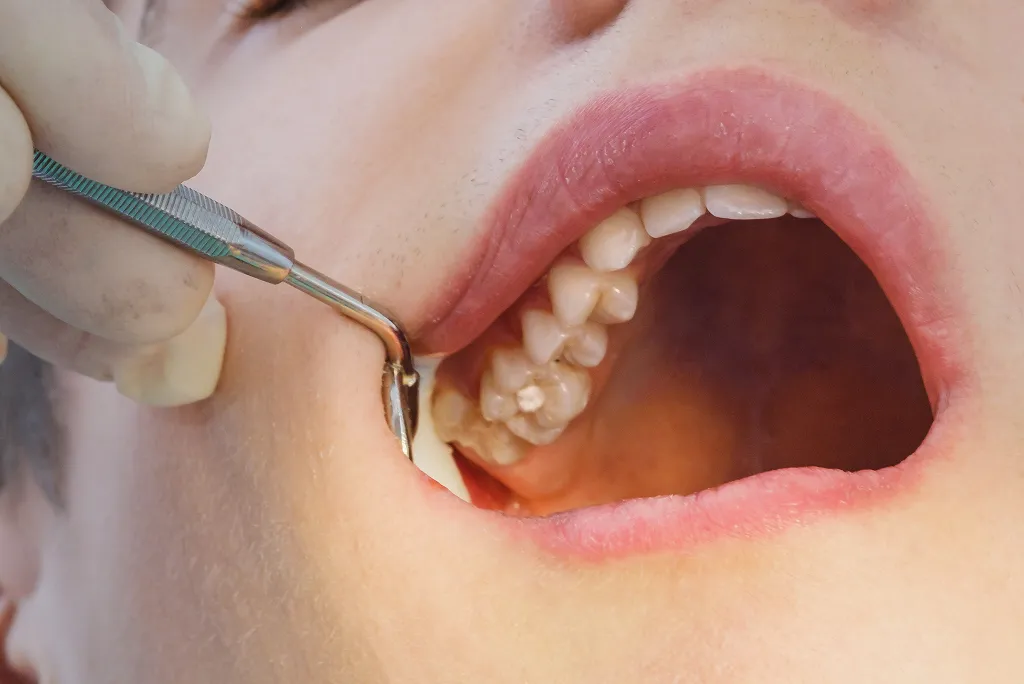
Most people assume a filling is a one time fix. You sit in the chair, the cavity is dealt with, and you never think about that tooth again. In reality, a filling is more like a repair on something you use hard every single day, and every repair has a lifespan.
The short answer: modern tooth coloured composite fillings last on average about 5 to 10 years, and some last longer with good care. How long yours lasts depends on where it sits, how big it is, and what your teeth go through at home.
What Is a Composite Filling?
A composite filling is made of a tooth coloured resin mixed with fine glass particles. It bonds to the tooth, which often means less healthy tooth structure needs to be removed than with older materials. It also blends in with your natural teeth, which is why most people prefer it for visible areas. You can read how we place them on our dental filling page.
What Affects How Long a Filling Lasts?
Two fillings placed on the same day can age very differently. These are the factors I look at most often.
· Where the filling sits: back teeth take far more chewing force than front teeth, so fillings on molars tend to wear sooner.
· How big it is: a small filling is well supported by the tooth around it, while a large one leaves less natural tooth to hold it. When a tooth is heavily broken down, I may talk with you about a crown or an inlay instead. Our post on crown or filling and how a dentist decides explains how I weigh that up.
· Your home care: plaque that builds up along the edge of a filling can cause fresh decay underneath it, which is the most common reason fillings fail.
· What you eat and drink: ice, hard sweets and sticky snacks put stress on fillings, and frequent sugary or acidic drinks encourage decay around the edges.
· Grinding or clenching: heavy biting force can chip or loosen a filling, and it can wear the tooth around it.
Signs Your Filling May Need Attention
Fillings rarely fail suddenly. You usually get warning signs first.
· Sensitivity to hot, cold or sweet that was not there before
· Pain or a sharp twinge when you bite down
· A rough edge, chip or crack you can feel with your tongue
· A dark line or shadow around the filling
· Food that keeps catching at the same spot
· A filling that feels loose or has partly come out
None of these automatically mean the filling has to be replaced, but each one deserves a look. Decay underneath a filling can spread quietly, and catching it early often means a smaller repair.
Repair or Replace?
When a filling is worn, I look at the whole tooth and not only the filling. A small chip or worn edge can sometimes be repaired. If decay has formed underneath, or the filling has broken down, replacing it is usually the better option. If a lot of the tooth has been lost, a crown may protect it better than another large filling.
If you have old silver fillings and wonder whether they should be replaced, that is a different question, and we cover it in are silver amalgam fillings safe. Sometimes replacement is advised because of wear or decay, and it may also be done by choice through SMART amalgam removal.
What to Do if a Filling Falls Out
Try not to panic. Keep the area clean, avoid chewing on that side, and keep the filling if you have it. Do not use household glue. Book a visit soon, because the exposed tooth is more vulnerable to sensitivity and decay. If you have pain or swelling, our emergency dentistry service is there for that.
Is Sensitivity After a Filling Normal?
Mild sensitivity to temperature or biting pressure for a short time after a new filling is common. It usually settles on its own. If it is severe, keeps getting worse, or lasts well beyond the first few weeks, let me know, because the bite may need a small adjustment or the tooth may need a closer look.
How to Make Your Fillings Last Longer
Good habits matter more than any material.
· Brush twice a day with fluoride toothpaste, paying attention to the gumline and the edges of fillings.
· Floss daily, because decay often starts between teeth and next to fillings.
· Avoid using your teeth to open packets or crack hard food.
· Cut back on frequent sugary snacks and acidic drinks.
· Tell me if you grind or clench your teeth, since a protective guard may be worth discussing. Our article on TMJ disorder symptoms and causes explains how grinding affects teeth.
· Keep regular dental checkups so I can inspect the edges of each filling before small problems grow.
Book a Filling Check at Orchard Road
If you have a filling that is more than a few years old, a quick check can tell you whether it is still doing its job. I will look at the filling, the edges and the tooth underneath, and explain your options in plain language before anything is done. Call +65 3125 0915 or contact my clinic to book.
FAQs
How long do composite fillings last?
Modern composite fillings last on average about 5 to 10 years, and some last longer with good care. Size, location and your habits all play a part.
Do composite fillings need to be replaced?
Not by default. A filling that is intact, sealed at the edges and not causing symptoms can stay. I check them at your regular visits and only recommend replacement when there is wear, a gap or decay.
Can a composite filling be repaired?
Sometimes. A small chip or worn edge may be repaired, while a filling with decay underneath usually needs to be replaced.
Why does my filling hurt when I bite?
It can be a high spot in the bite, a crack, or decay underneath. A short check usually finds the cause, so please do not wait for it to get worse.
Are composite fillings better than silver fillings?
Composite fillings blend in with your teeth and bond to them, which is why many people choose them. The right choice depends on the tooth and your situation, and I will explain it when we look at your mouth.
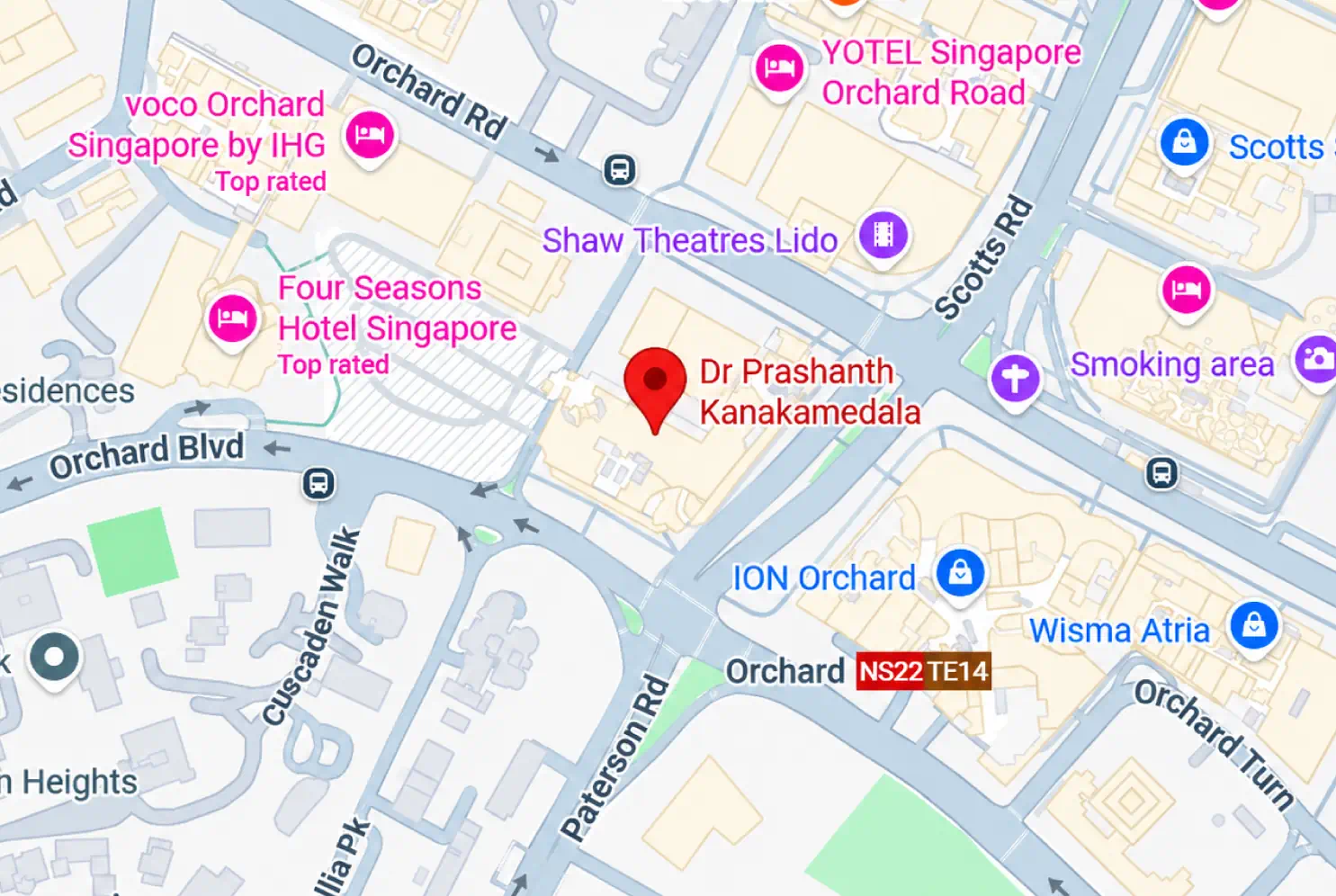



Landmark Orchard
501 Orchard Rd, #05-01 Nuffield Dental Jewel, Landmark Orchard, Singapore 238880
Available on Mondays, Tuesdays, Thursdays and Saturdays.
Westgate
3 Gateway Dr #04-32 Nuffield Dental Westgate, Westgate, Singapore, 608532
Available on Wednesdays and Fridays.





© 2026 Dr Prashanth Kanakamedala | All rights reserved | Privacy Policy | Digital Marketing by Remedo
